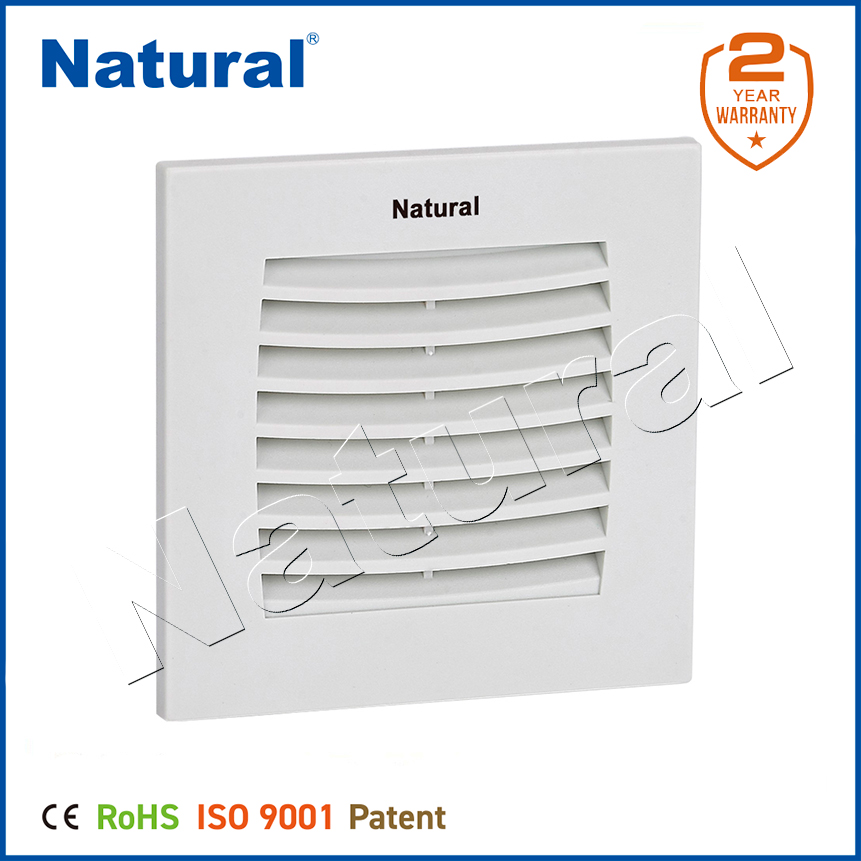
Fan air filters play a critical role in maintaining the functionality and longevity of fans, whether they are used in industrial, commercial, or home settings. These filters are designed to remove contaminants such as dust, dirt, and allergens from the air before it circulates through the fan, ensuring the air that comes out is clean and safe. Additionally, fan air filters contribute to improving the fan’s efficiency and lifespan by preventing debris from clogging up internal components. This article explores the significance of fan air filters, their working mechanisms, and how they contribute to the overall performance and upkeep of fans.
Understanding the Role of Fan Air Filters
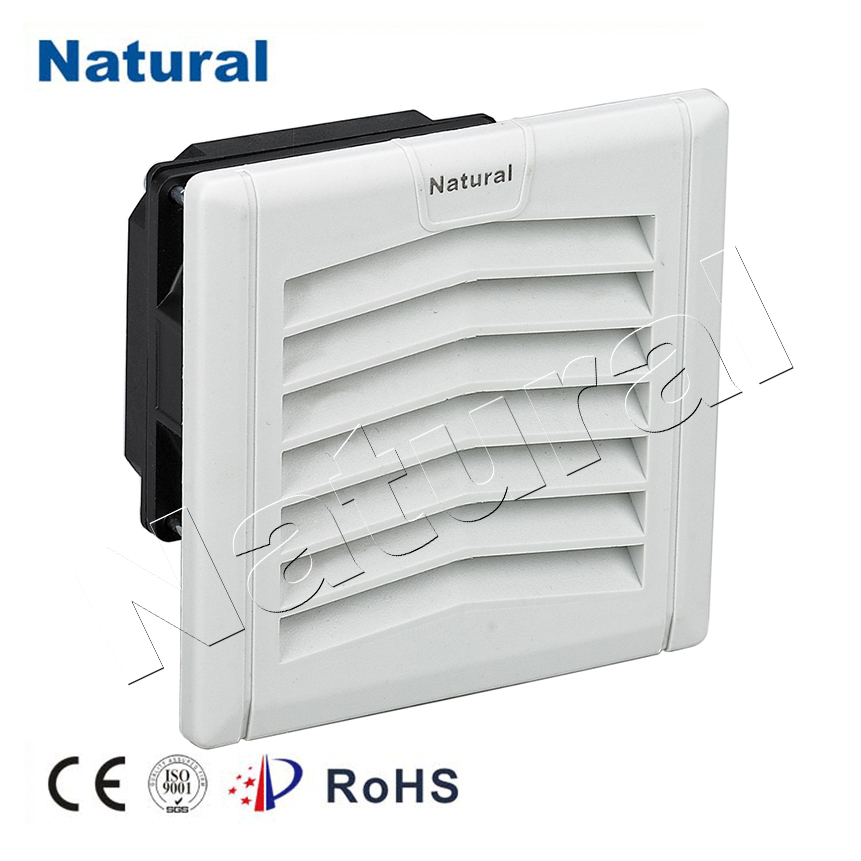
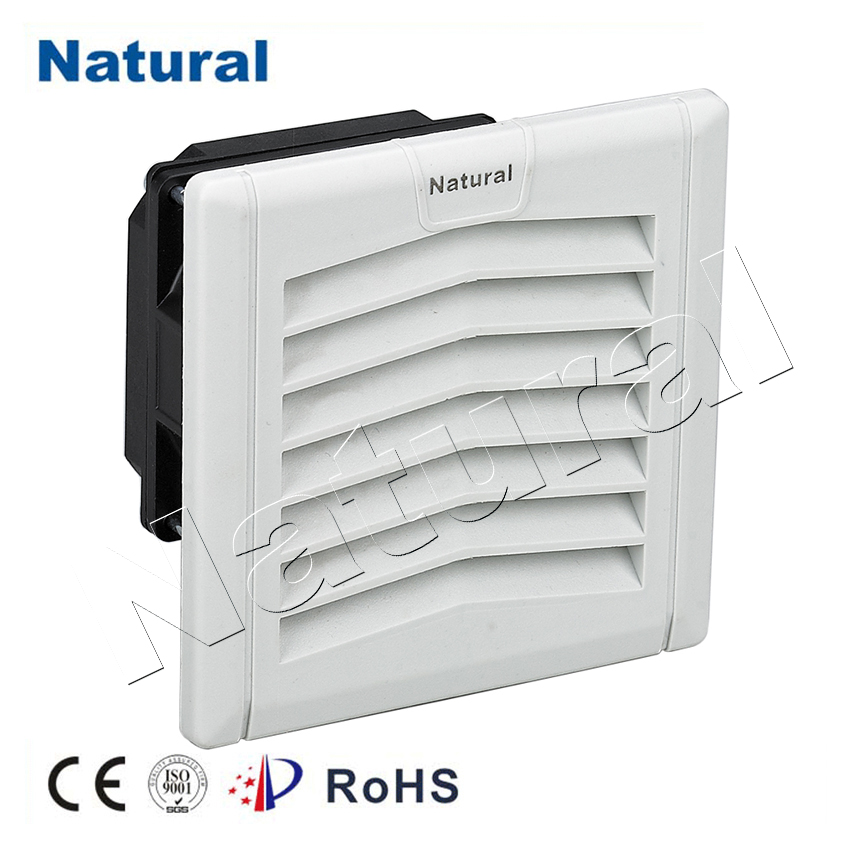
At their core, fan air filters are designed to trap particles from the air before they enter the fan’s motor and blades. In environments where air quality is compromised by pollutants, such as construction sites, factories, or even homes with heavy pet dander, these filters act as a barrier, protecting both the fan and the occupants. By filtering out unwanted particles, the fan air filter ensures that the air circulating through the fan is cleaner, which can have a direct impact on indoor air quality. Not only do these filters improve air quality, but they also help prevent the fan’s internal components, particularly the motor, from becoming clogged with dirt and dust. When dust builds up inside the fan, it can hinder the motor’s efficiency, causing the fan to work harder and consume more energy. Over time, this strain on the motor can lead to overheating, potential damage, and ultimately, failure. With an effective fan air filter in place, the risk of these issues is significantly reduced.