As electric vehicles (EVs) continue to evolve, the need for more efficient and reliable electrical systems becomes paramount. One of the key components in ensuring the smooth operation of these systems is the 48V automotive relay. Used extensively in various applications within EVs, this component plays a crucial role in managing high-power circuits, improving energy efficiency, and enhancing the overall safety of the vehicle. This article delves into the importance, functionality, and applications of 48V automotive relays in the context of electric vehicles.
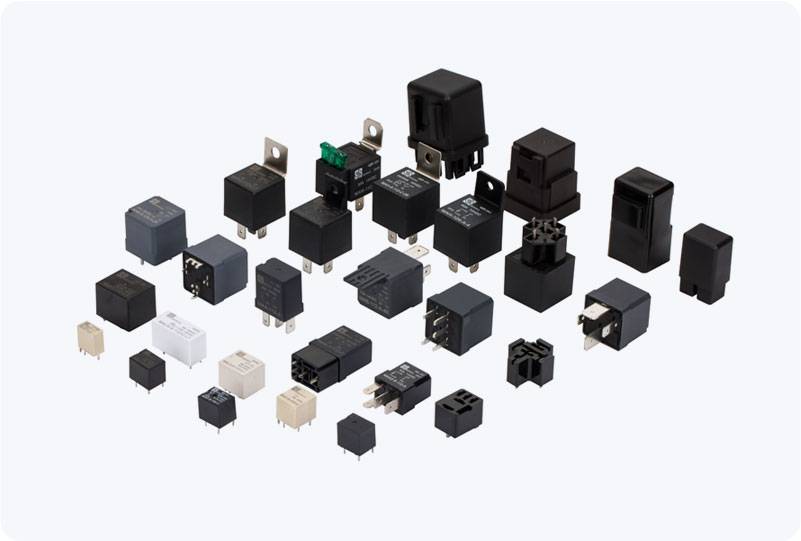
Understanding 48V Automotive Relays A relay is an electrical switch that allows a small current to control a much larger current. In the automotive industry, relays are used to switch electrical circuits on and off, typically in applications that involve high current or voltages. The 48V automotive relay is designed specifically for use in vehicles with a 48V electrical system, which has become increasingly common in modern electric and hybrid vehicles. The shift to a 48V system in EVs is driven by the need to balance power demands while maintaining energy efficiency. A 48V system allows for lower current flow compared to traditional 12V systems, making it possible to power more components without requiring excessively large wires. This is especially important as vehicles become more electrified and need to power multiple high-demand components, such as electric motors, battery management systems (BMS), and auxiliary systems like heating or air conditioning.