In modern electric vehicles (EVs), hybrid systems, and large-scale energy storage solutions, the Battery Pack Main Relay plays a crucial yet often overlooked role. Acting as the central electrical switch within a battery system, it ensures both operational efficiency and safety. Without it, managing high-voltage battery systems would be significantly more dangerous and less reliable.
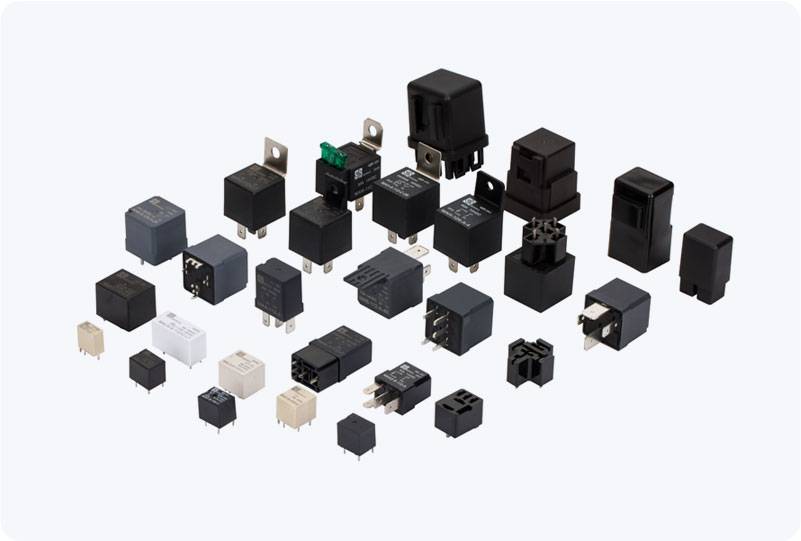
At its core, a Battery Pack Main Relay is an electrically controlled switch designed to connect or disconnect the battery pack from the rest of the system. These systems often operate at high voltages, sometimes exceeding hundreds of volts, making direct manual control impractical and unsafe. The relay allows a low-power control signal, typically from a Battery Management System (BMS), to safely manage high-power circuits. One of the primary functions of the Battery Pack Main Relay is to control power flow. When a vehicle or system is turned on, the relay closes, allowing current to flow from the battery to the motor, inverter, or other components. Conversely, when the system is turned off, the relay opens, isolating the battery pack. This isolation is essential for preventing unintended energy discharge and protecting both the system and users.