Water flow control is essential in many industries, from agriculture and water treatment to HVAC systems. In recent years, plastic water flow control valves have emerged as a popular choice for various applications, thanks to their cost-effectiveness, ease of use, and superior durability. This article will delve into the functionality, materials, applications, and advantages of plastic water flow control valves, highlighting why they are becoming increasingly indispensable in water management systems.
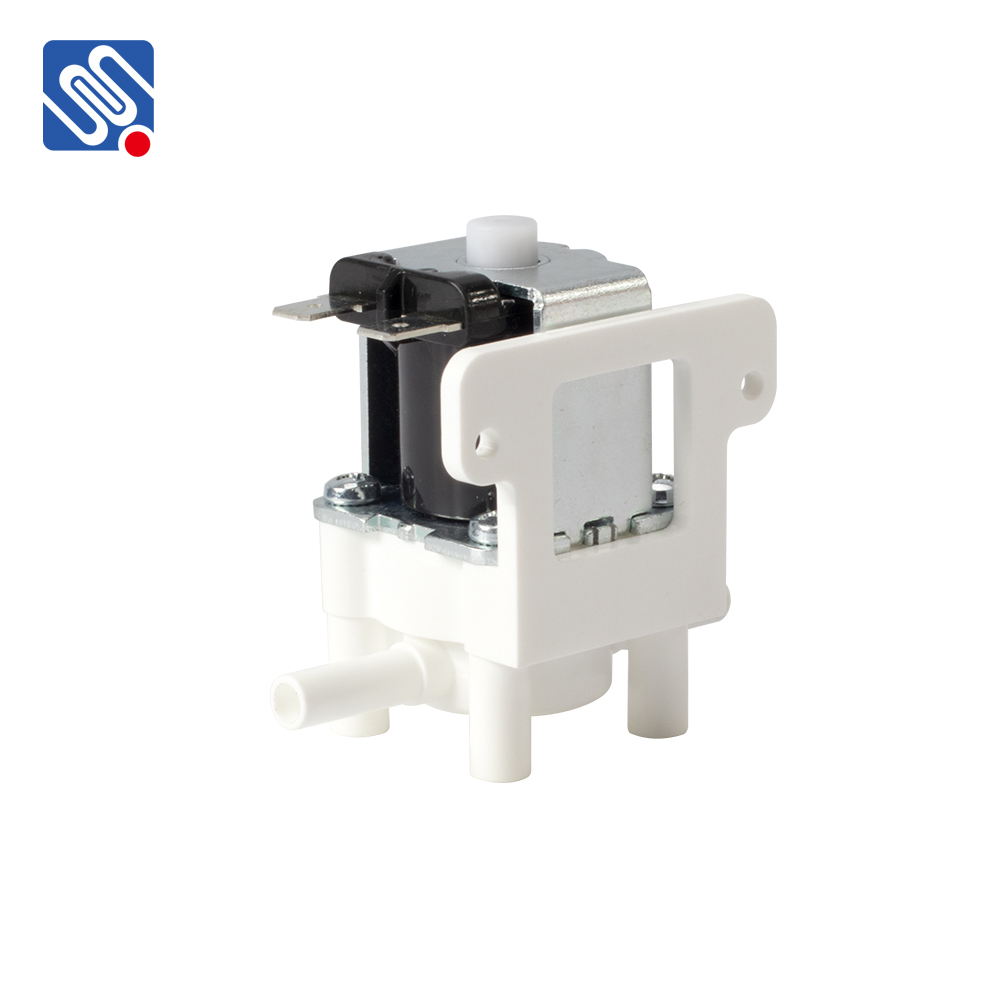
Introduction to Plastic Water Flow Control Valves A Plastic Water Flow Control Valve is a valve that is primarily designed to regulate the flow of water within a system. These valves are constructed from durable plastic materials like PVC (polyvinyl chloride), PP (polypropylene), or PE (polyethylene), making them a reliable and cost-efficient choice for managing water flow. The valve functions by adjusting the size of the opening through which water passes, thereby controlling the flow rate. These valves are available in various designs, including ball, gate, globe, and butterfly valve types, all optimized for different flow control needs. The primary purpose of a plastic water flow control valve is to regulate water flow, ensuring consistent pressure and efficient operation of the water systems.