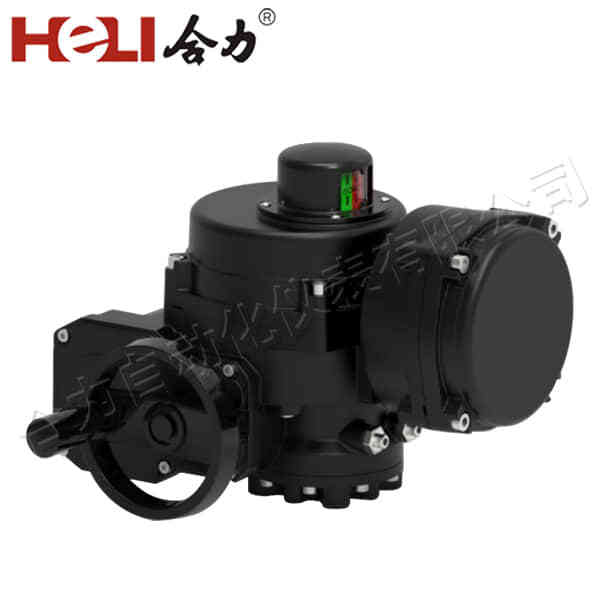
Electric actuators for valves are a cornerstone of modern industrial automation systems, offering efficient, reliable, and precise control over fluid flow in a wide range of applications. These devices convert electrical energy into mechanical motion, providing the driving force needed to operate a valve and regulate fluid flow. As industries increasingly turn towards automation, the role of electric actuators for valves has become even more critical, helping to optimize performance, improve safety, and reduce operational costs.
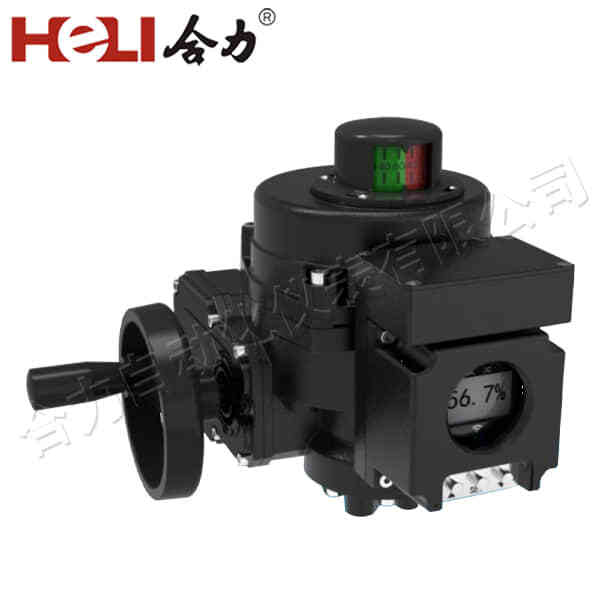
Understanding Electric Actuators for Valves
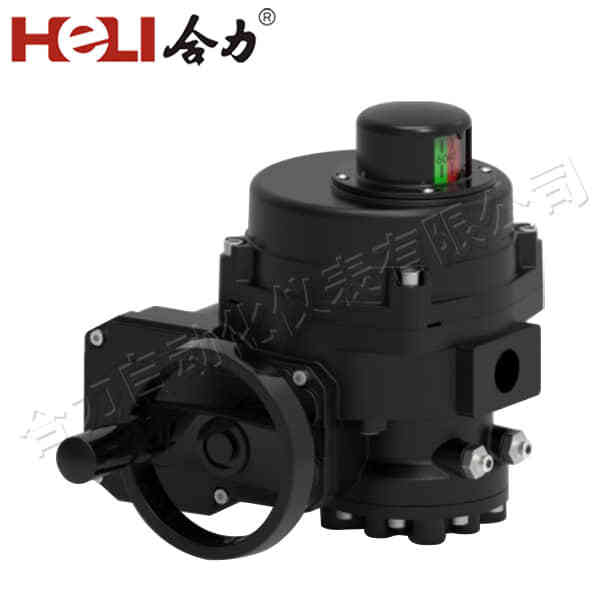
An electric actuator is a device that uses an electric motor to control a valve. These actuators can either open or close the valve or modulate its position depending on the system’s needs. The primary function of an electric actuator is to control the movement of the valve, which in turn manages the flow of liquids, gases, or slurries through a pipeline or system. This mechanical process is typically achieved by converting electrical energy into rotational or linear motion, which is then transmitted to the valve. Types of Electric Actuators Electric actuators come in various types, each suited for different applications and control requirements. The two main categories of electric actuators for valves are: