Relay efficiency is a critical concept in modern communication networks, particularly in wireless communications, sensor networks, and power transmission systems. As communication systems become more complex and demand for data transfer increases, understanding and improving relay efficiency is vital for enhancing system performance. Relay efficiency refers to the effectiveness of a relay node or intermediary device in transmitting data or signals across a network while minimizing losses, energy consumption, and latency. This article explores the significance of relay efficiency in various domains and examines methods to optimize it for improved communication system performance.
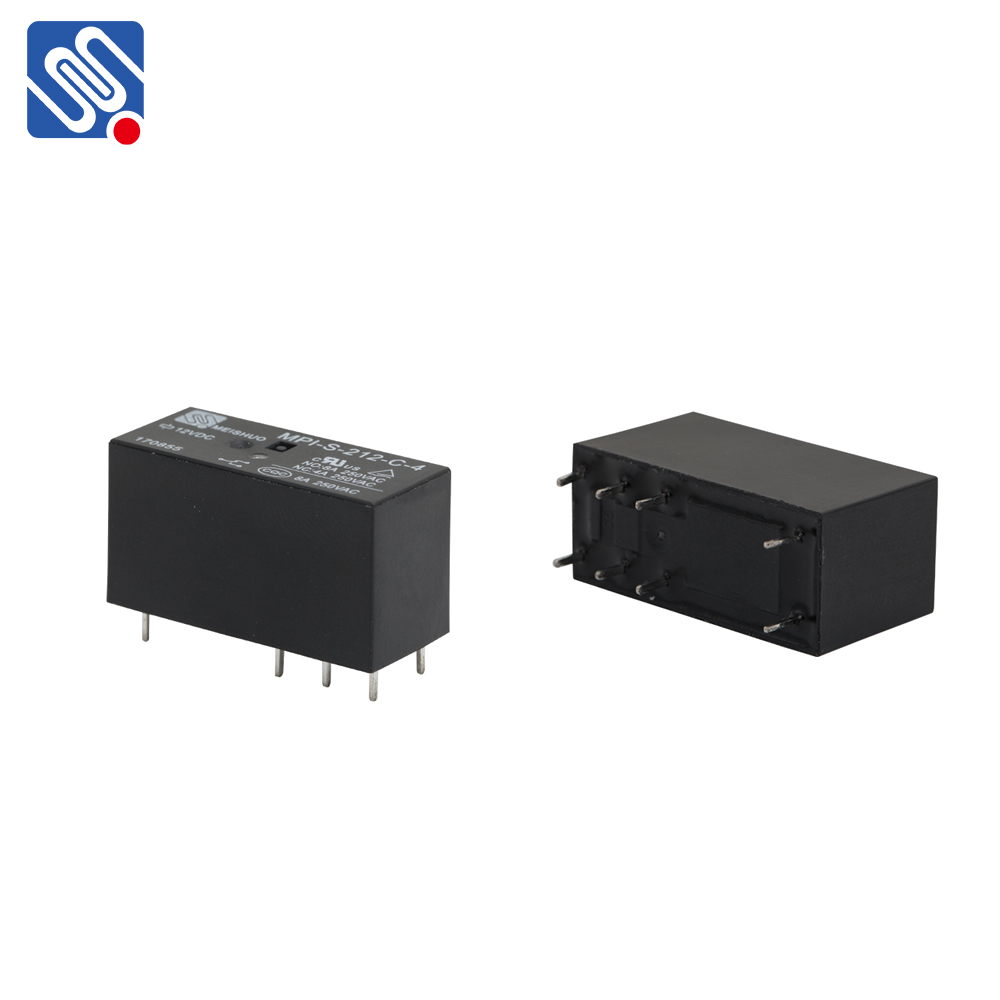
The Role of Relay Nodes in Communication Networks In many communication systems, particularly wireless networks, relay nodes act as intermediaries that help extend the coverage area, increase data throughput, and maintain signal strength. These relay nodes receive signals from one source and retransmit them to a destination, often over long distances or through challenging environments. While relays improve the range and capacity of communication networks, the efficiency of this process is crucial to achieving optimal performance. Relay efficiency in communication systems can be influenced by several factors, including signal quality, energy consumption, and network load. In wireless communication, for example, relays are used to forward signals between base stations and user equipment, often in remote or hard-to-reach areas. By doing so, they reduce the need for direct line-of-sight communication, which can be obstructed by obstacles or interference. However, the relay’s ability to effectively transmit signals without introducing significant delay or loss is essential for maintaining a high-quality connection.