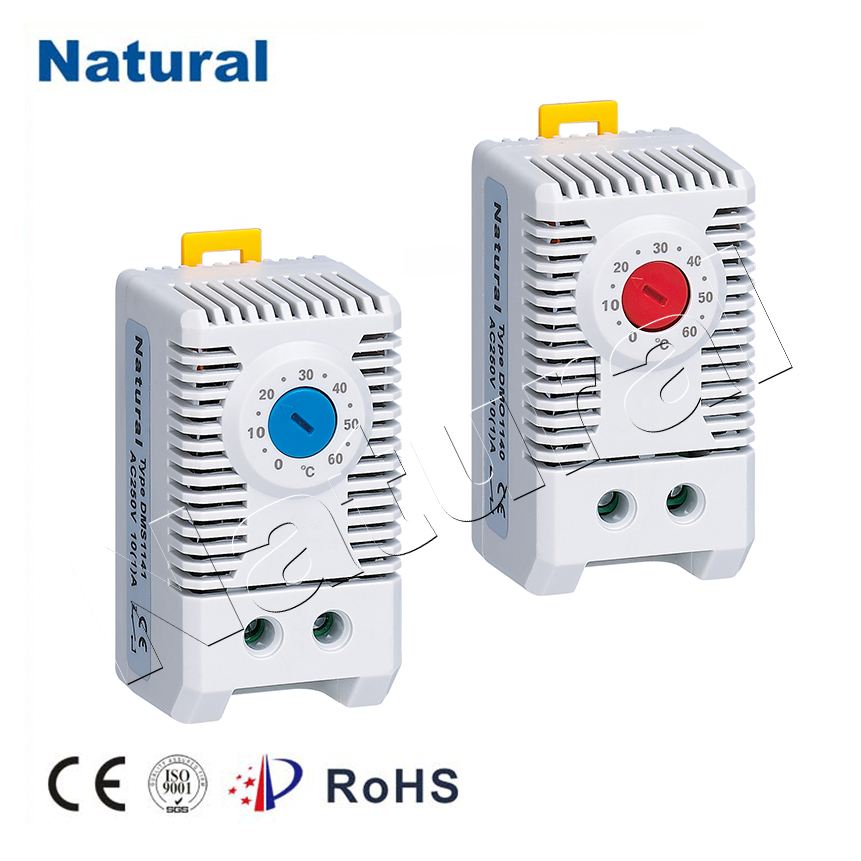
A 24V thermostat is a key component in regulating the temperature in various heating, ventilation, and air conditioning (HVAC) systems. These thermostats operate on a 24-volt power supply, which is significantly lower than the typical 120V or 240V systems used in other electrical applications. This low-voltage design makes the 24V thermostat ideal for residential and commercial HVAC systems, providing an effective way to control room temperature without excessive energy consumption. In this article, we will explore the functionality, benefits, and installation process of 24V thermostats.
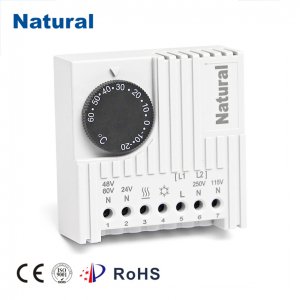
What is a 24V Thermostat?
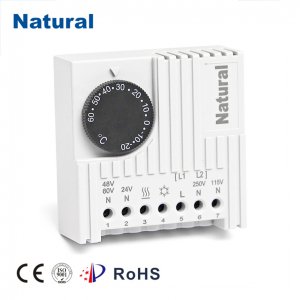
A 24V thermostat is a device used to monitor and control the temperature of a space by regulating heating and cooling systems. It is commonly used in HVAC systems where the control circuit operates on 24 volts of power. The thermostat detects the room temperature via internal sensors and sends signals to the heating or cooling system to maintain the desired environment. This is especially useful for systems such as air conditioners, furnaces, and heat pumps, which require precise temperature regulation. How Does a 24V Thermostat Work? The main function of a 24V thermostat is to sense the ambient temperature in a room and activate the HVAC system when necessary. When the temperature deviates from the preset value, the thermostat triggers the system to either heat or cool the space, ensuring the room stays at the desired temperature. This process is done by sending a low-voltage signal to the HVAC system, typically through a series of wires connected to the thermostat.