Relay assembly techniques play a crucial role in the manufacturing and maintenance of electronic devices, where relays are integral components used for switching electrical circuits. A relay is essentially an electromechanical switch that uses an electromagnetic coil to open or close a circuit, and it finds application in a multitude of systems ranging from industrial automation to automotive electronics. This article delves into the various aspects of relay assembly techniques, exploring their components, assembly processes, testing methodologies, and the significance of quality control in ensuring reliability and efficiency.
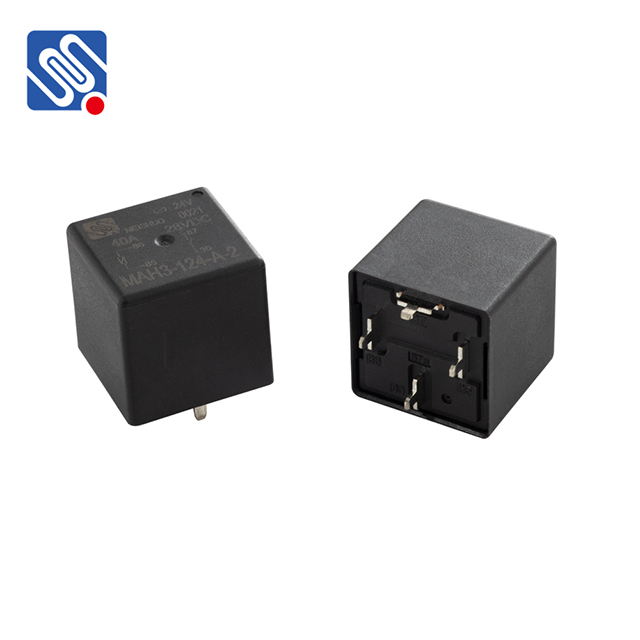
Components of a Relay Understanding relay assembly begins with recognizing the key components involved. A typical relay consists of a coil, armature, spring, contact points, and an outer shell. The coil generates a magnetic field when electrical current passes through it, which attracts the armature. The armature is a movable metal lever that, when actuated by the electromagnetic force, either makes or breaks the connection between the contact points. Springs are used to return the armature to its original position once the coil is de-energized. Lastly, the outer shell envelops all these components, providing protection and insulation against environmental factors.