A 30A power relay is a robust electrical device designed to control high-current circuits with ease and precision. With its ability to manage up to 30 amps of current, this type of relay is commonly used in applications where high-power switching is necessary. The versatility and reliability of the 30A power relay make it an essential component in various industries, including automotive, household appliances, and industrial equipment. In this article, we will explore the main features of a 30A power relay, its applications, and key considerations when using it.
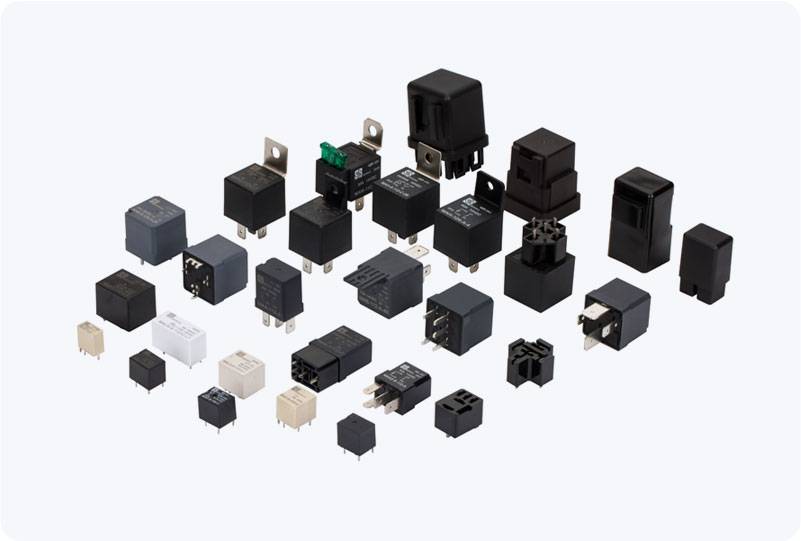
What is a 30A Power Relay? A 30A power relay is an electromechanical switch that allows the control of high-power circuits with a low-power signal. It consists of a coil that, when energized, creates a magnetic field that moves an internal armature. This armature closes or opens a set of contacts, thereby controlling the flow of electrical current through the connected circuit. The “30A” specification indicates that the relay can handle a maximum current of 30 amps, which is suitable for various high-power applications. Relays like these are designed to ensure that the high-current circuits are safely managed without the need for manual intervention. They offer a way to automate control processes in different electrical systems, protecting the user and equipment from potentially hazardous conditions, such as overloading and electrical fires.