A relay circuit is a fundamental component used in a wide variety of electrical systems to control high-power devices with low-power signals. It is essentially an electrically operated switch that can turn on or off a high-current load by using a low-current signal to operate a magnet (electromagnet). The relay circuit plays a crucial role in both industrial applications and everyday devices, providing isolation between the control circuit and the load circuit, while allowing a small current to control a large one. In this article, we will explore how a relay circuit works, its components, and common applications.
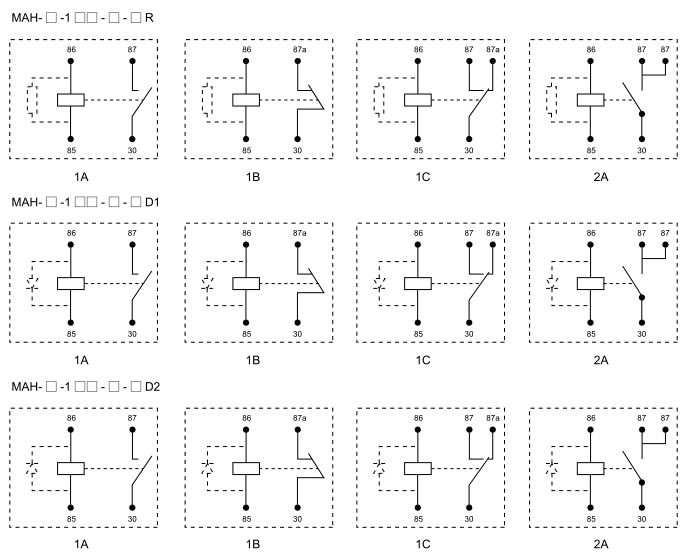
Components of a Relay Circuit A typical relay circuit consists of the following primary components: Electromagnetic Coil (Relay Coil): This is the core of the relay. When current flows through this coil, it generates a magnetic field that pulls the armature (a mechanical lever) to change the state of the relay. Armature: This is the movable part of the relay. It is connected to the contacts, and when it moves under the influence of the electromagnetic coil, it either closes or opens the contacts to complete or break the circuit. Contacts: These are the switch points in the relay. Relays can have different types of contacts, such as: