As our reliance on electricity continues to grow, the safety and reliability of electrical systems become increasingly paramount. One of the critical components that aid in maintaining these standards is the Arc Suppression Relay (ASR). This device is designed to prevent the formation and propagation of arcs during the operation of electrical equipment, thereby safeguarding both the equipment and the surroundings from potential hazards. In this article, we will delve into the workings, applications, and importance of Arc Suppression Relays in modern electrical systems.
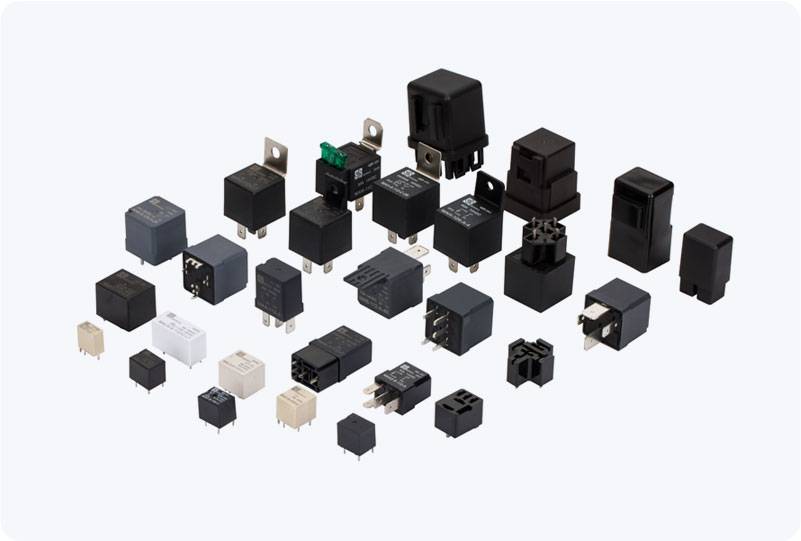
What is an Arc Suppression Relay? At its core, an Arc Suppression Relay is an electrical device that detects the occurrence of an electrical arc and takes swift action to mitigate its effects. Arcing occurs when electrical current jumps between conductive elements—usually caused by the interruption of current flow in high-voltage circuits. This phenomenon can lead to significant damage to electrical contacts, posing a serious risk of equipment failure and even resulting in fire hazards.
How Does an Arc Suppression Relay Work? The operation of an Arc Suppression Relay is based on its ability to monitor electrical parameters. Typically, these relays are equipped with detection circuits that continuously assess voltage and current levels. Upon detecting conditions indicative of an electrical arc—such as sudden changes or specific waveforms in the current—the ASR triggers a relay mechanism. This mechanism either interrupts the power supply or implements a secondary circuit to suppress the energy of the arc.