Lithium-ion batteries have revolutionized the energy storage and electric vehicle sectors, offering high energy density, longer lifespan, and faster charging capabilities compared to traditional battery technologies. However, with these advancements comes the need for more sophisticated and reliable safety mechanisms. Among these safety measures, the lithium battery valve plays a crucial role in ensuring the operational stability and safety of lithium-ion battery systems. In this context, HeLi Automation has emerged as a key player in advancing the design and manufacturing of these critical components, offering cutting-edge automation solutions for production processes.
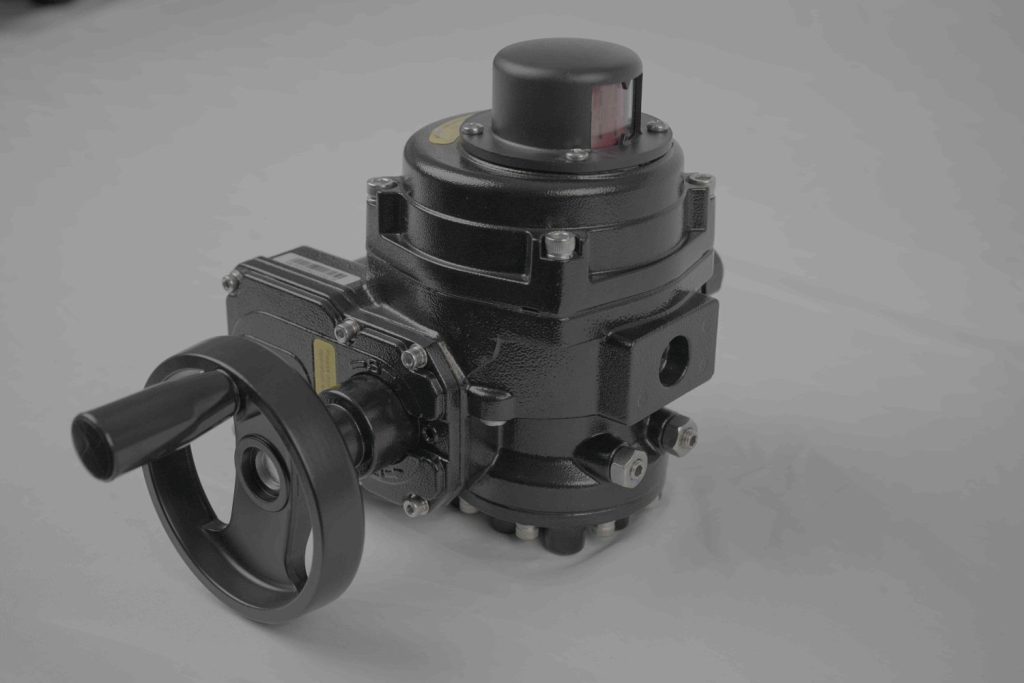
The Importance of Lithium Battery Valves Lithium-ion batteries, while incredibly efficient and powerful, come with their own set of challenges, particularly when it comes to safety. A common risk associated with these batteries is the buildup of internal pressure, which can lead to leaks, ruptures, or even thermal runaway in extreme cases. The valve is an essential component designed to mitigate such risks by regulating pressure within the battery, ensuring that it remains within safe limits. The valve typically operates as a one-way relief valve. If the internal pressure rises to a dangerous level, the valve will open to release the excess pressure, preventing potential damage or catastrophic failure. Conversely, when the pressure returns to normal, the valve closes again, effectively sealing the system. This pressure regulation is essential not only for preventing damage to the battery but also for safeguarding the battery’s users, whether in electric vehicles (EVs), consumer electronics, or large-scale energy storage systems.