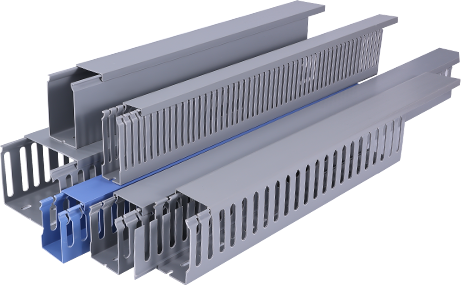
As the global transition to renewable energy accelerates, the demand for reliable, scalable energy storage systems has never been higher. Among the many components that make up a safe and efficient energy storage facility, the Energy Storage System Raceway (ESS Raceway) stands out as a critical but often overlooked infrastructure element. Designed to organize, protect, and route power cables, communication lines, and sensor wiring throughout battery energy storage systems, this purpose-built cable management solution directly impacts the safety, performance, and longevity of the entire storage facility. Without a well-designed ESS Raceway, even the most advanced battery technologies can face unnecessary risks of damage, fire hazards, and operational failures, making it a core consideration for every large-scale energy storage project today.
First, it is important to understand the core functions that an Energy Storage System Raceway serves in a modern energy storage facility. Unlike standard cable management products used in commercial buildings or industrial facilities, ESS Raceways are engineered specifically to meet the unique demands of energy storage applications. They separate high-voltage power cables from low-voltage communication and control wiring to eliminate electromagnetic interference that can disrupt battery management system (BMS) data readings, ensuring accurate monitoring and control of each battery module. Additionally, ESS Raceways provide physical protection from environmental factors such as moisture, dust, chemical corrosion, and accidental impact, which is especially critical for outdoor or utility-scale storage facilities exposed to harsh weather conditions. They also simplify installation and future maintenance by creating a clear, organized routing system that allows technicians to quickly identify, access, and replace faulty cables without disrupting the entire system.
Secondly, the material selection for Energy Storage System Raceways directly addresses the growing focus on fire safety in energy storage systems, a top priority for operators and regulators worldwide. Most high-quality ESS Raceways are manufactured from non-combustible or fire-resistant materials such as galvanized steel, aluminum alloy, or flame-retardant rigid PVC, designed to slow the spread of fire in the event of a thermal runaway in a battery module. Unlike unprotected loose cables, which can fuel fire spread through a battery storage container or building, properly contained wiring in fire-rated ESS Raceways buys valuable time for emergency response systems to activate and contain the incident. Many modern designs also integrate ventilation features that help dissipate heat generated by high-current cables, reducing the risk of overheating that can contribute to thermal events. This focus on fire safety aligns with recent updates to global energy storage codes and standards, which increasingly mandate organized cable management and fire-resistant infrastructure for new utility-scale projects.
Furthermore, the scalability of modular Energy Storage System Raceway designs makes it ideal for the fast-growing utility-scale energy storage market, where project sizes can range from a few megawatt-hours to hundreds of gigawatt-hours. Modular ESS Raceway components are prefabricated in standard sizes, which reduces on-site construction time and labor costs significantly compared to custom-built cable routing structures. Project developers can easily expand the storage capacity of a facility by adding new battery racks and corresponding raceway sections without disrupting existing operations, making it a flexible solution that adapts to changing energy demand and grid needs. This scalability also supports the trend of containerized energy storage systems, where pre-wired, pre-tested containers are manufactured off-site and deployed in weeks rather than months. ESS Raceways are integrated into container designs during manufacturing, streamlining the entire deployment process and reducing the risk of on-site installation errors.
Another key advantage of a well-designed Energy Storage System Raceway is its contribution to long-term operational reliability and cost reduction. Disorganized, unprotected cable systems are more prone to wear and tear from vibration, temperature fluctuations, and accidental damage, leading to unplanned outages that cost operators thousands of dollars in lost revenue. By securing and protecting cables, ESS Raceways extend the service life of wiring and reduce the frequency of maintenance and repairs. They also improve overall system efficiency by reducing voltage drop caused by improperly routed high-current cables, ensuring that more stored energy reaches the grid rather than being lost as heat. Over the 20 to 25 year lifespan of a typical utility-scale energy storage facility, these efficiency gains and reduced maintenance costs add up to significant financial benefits that far outweigh the initial investment in high-quality raceway infrastructure.
In conclusion, the Energy Storage System Raceway is far more than a simple cable management accessory it is a foundational component that enables the safe, reliable, and scalable deployment of modern energy storage systems. As the world continues to invest in renewable energy and grid storage, the importance of purpose-built ESS Raceway infrastructure will only grow, driving innovation in material science, fire safety design, and modular manufacturing. For project developers, facility operators, and energy regulators, recognizing the value of high-quality ESS Raceway design is a critical step toward building a more resilient, efficient, and safe renewable energy grid for the future.