As the global adoption of solar energy continues to accelerate, more homeowners and commercial property owners are investing in photovoltaic (PV) systems to reduce energy costs and lower their carbon footprint. While much attention is often paid to solar panels, inverters, and mounting structures, one unsung hero of safe and reliable solar installation is often overlooked: the solar panel wiring duct. This specialized component plays a vital role in organizing, protecting, and extending the lifespan of the entire solar system, making it an essential consideration for any professional installation or ambitious DIY project. Without proper wiring management, even the highest-quality solar panels can underperform, or worse, create serious safety hazards that compromise the entire system. Understanding the purpose, benefits, and best practices for using solar panel wiring duct can help installers and system owners avoid common mistakes and maximize the return on their solar investment.
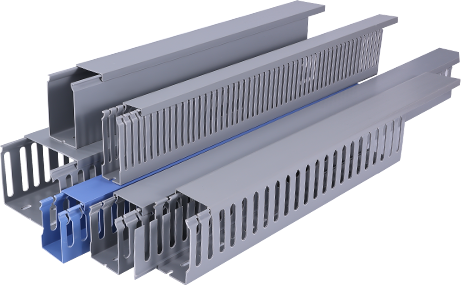
First, it is important to clarify what a solar panel wiring duct is and how it differs from general-purpose wiring conduits. Solar panel wiring duct is a rigid or semi-rigid channel designed specifically to house and route the low-voltage DC wiring that connects individual solar panels to the system’s inverter or charge controller. Unlike standard electrical conduits that are often used for AC wiring in buildings, solar wiring ducts are engineered to withstand prolonged exposure to outdoor conditions, including extreme temperature fluctuations, UV radiation, rain, snow, and wind. Most are manufactured from UV-stabilized polyvinyl chloride (PVC), high-density polyethylene (HDPE), or aluminum, materials that resist corrosion, cracking, and degradation over decades of outdoor use. They also feature pre-punched slots or removable covers that make installation, inspection, and future system modifications easier than sealed conduits, allowing installers to access or add wiring without damaging the duct or surrounding components.
Secondly, the primary benefit of using a purpose-built solar panel wiring duct is enhanced system safety. Unprotected wiring that is left exposed along roof rails or mounting structures is vulnerable to damage from weather, wildlife, and abrasion against sharp metal edges. Over time, exposure to UV radiation can cause wiring insulation to become brittle and crack, exposing live copper conductors. This creates a significant risk of electric shock, short circuits, and even electrical fires that can damage the property and threaten personal safety. Solar panel wiring duct contains all wiring within a protected enclosure, preventing accidental contact with live components and blocking pests like squirrels and birds from chewing through insulation. Additionally, by organizing all wiring in a single, neat channel, wiring duct reduces the risk of tangled wires that can trap moisture and accelerate corrosion, further lowering the risk of electrical hazards. For commercial solar installations that must comply with strict National Electrical Code (NEC) or regional safety standards, using approved wiring duct is often a mandatory requirement to pass inspection and maintain insurance coverage.
Another key advantage of solar panel wiring duct is improved long-term system efficiency and reduced maintenance costs. When wiring is left exposed, it is more likely to be damaged by weather or physical impact, leading to intermittent connections or power drops that reduce the overall energy output of the solar system. Small wiring faults can go undetected for months, leading to significant lost energy production that directly cuts into the financial savings expected from the solar system. By protecting wiring from damage, solar panel wiring duct helps maintain consistent electrical conductivity and prevents unexpected power losses. The organized layout of wiring in a duct also makes it much faster for technicians to diagnose and repair issues when they do arise, reducing labor costs for maintenance and minimizing downtime for the system. For system owners planning to expand their solar array in the future, pre-installed wiring duct provides extra space to add new wiring without requiring extensive rework, making system upgrades simpler and more affordable.
Furthermore, choosing the right solar panel wiring duct for your specific installation requires careful consideration of a few key factors. The size of the duct must match the number and gauge of wires you plan to route, with extra space left for future expansions. For rooftop installations where weight is a concern, lightweight PVC or HDPE ducts are often preferred over heavier aluminum options, while aluminum ducts offer better heat dissipation and higher mechanical strength for large ground-mounted arrays. It is also critical to choose a duct that is rated for outdoor UV exposure, as non-UV-stabilized materials will crack and degrade within a few years of installation, requiring costly replacement. Proper installation technique is equally important: ducts should be securely fastened to mounting structures with corrosion-resistant fasteners, and gaps at connection points should be sealed to prevent moisture from entering the enclosure.
In conclusion, solar panel wiring duct is a small but critically important component that directly impacts the safety, efficiency, and longevity of any solar energy system. While it may not be as visible or celebrated as the solar panels themselves, investing in high-quality wiring duct and professional installation can prevent costly safety hazards, reduce long-term maintenance costs, and ensure that your solar system delivers maximum energy output for decades. Whether you are planning a new residential solar installation or upgrading an existing system, prioritizing proper wiring management with a purpose-built solar panel wiring duct is a simple decision that pays off over the lifetime of your investment. By understanding the role and benefits of this essential component, you can build a solar system that is not only efficient and cost-effective but also safe and reliable for years to come.