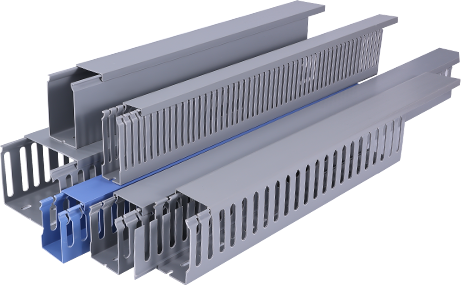
In modern commercial and residential building design, electrical safety has become a non-negotiable priority, and one often-overlooked component that plays a critical role in fire protection is fire-rated wiring duct. Unlike standard cable management products, fire-rated wiring duct is engineered to contain and slow the spread of fire through electrical pathways, preventing flame and toxic smoke from traveling between compartments of a building during an emergency. As building codes around the world become stricter about fire resistance requirements, understanding the features, benefits, and proper application of this specialized product is essential for architects, electrical contractors, and property owners who prioritize long-term safety and compliance. This article will break down the core functions, key standards, practical benefits, and selection considerations for fire-rated wiring duct to help industry professionals and building stakeholders make informed decisions.
First, it is important to clarify what sets fire-rated wiring duct apart from conventional wiring duct systems. Standard wiring ducts are typically made of non-fire-resistant plastic or thin metal, designed primarily to organize and protect cables from physical damage, with little consideration for fire performance. Fire-rated wiring duct, by contrast, is constructed from intumescent materials, fire-resistant thermoset composites, or specially coated steel that reacts predictably when exposed to high temperatures. When a fire breaks out, intumescent versions of the duct expand to seal gaps around cables and block the spread of flame and smoke, while metal-based fire-rated ducts maintain their structural integrity for a specified period, giving building occupants more time to evacuate and emergency responders more time to contain the blaze. This core function addresses a common vulnerability in building design: electrical pathways often create open gaps through fire-rated walls and floors, which can act as chimneys for fire and smoke even when the surrounding structure is fire-resistant.
Secondly, fire-rated wiring duct must meet strict global performance standards to be approved for use in commercial and public buildings. In North America, products typically need to be tested and certified under Underwriters Laboratories (UL) 2024 standards, which outline specific requirements for fire resistance and smoke development. In the European Union, products must comply with EN 1366-1 and achieve a fire resistance rating ranging from 30 minutes to 120 minutes, depending on the building classification. These standards require that the duct maintains its structural integrity, prevents flame passage, and limits temperature rise on the unexposed side of the barrier for the full duration of the rated fire resistance period. Many products also receive additional ratings for low smoke emission and low toxicity, which is particularly important in enclosed spaces like high-rise buildings, hospitals, and schools, where toxic smoke is one of the leading causes of fire-related fatalities. Compliance with these standards is not just a regulatory requirement; it is a guarantee that the product will perform as expected during an actual emergency.
Additionally, the practical benefits of fire-rated wiring duct go beyond basic fire safety, making it a cost-effective long-term investment for any building. For one, it simplifies the process of code compliance during building inspections, as pre-fabricated fire-rated systems are designed to meet all necessary requirements without the need for complex on-site modifications. Unlike traditional fire sealing methods that require manual application of firestop mortar around cable runs, fire-rated wiring duct comes with integrated fire protection, reducing installation time and labor costs. It also maintains the flexibility of traditional wiring duct, allowing for easy addition, removal, or re-routing of cables as building electrical systems are updated over time. This is a major advantage over permanent fire sealing solutions, which often have to be cut open and re-sealed every time cables are modified, creating potential gaps in fire protection if the work is not done correctly. For buildings with evolving technology needs, such as office spaces or data centers, this flexibility ensures that fire protection remains intact even as the electrical infrastructure changes.
Furthermore, proper selection and installation of fire-rated wiring duct are critical to ensuring it delivers the expected level of protection. When choosing a product, it is important to match the fire rating of the duct to the fire rating of the wall or floor penetration it is installed in. For example, a 2-hour fire-rated wall requires a 120-minute fire-rated wiring duct system to maintain the overall fire resistance of the barrier. It is also important to consider the environment where the duct will be installed: outdoor or high-moisture areas require corrosion-resistant coatings, while indoor areas with strict air quality requirements may require low-VOC, low-smoke materials. Working with a certified manufacturer and experienced electrical contractor is essential, as improper installation—such as leaving gaps around the edges of the duct or using incompatible accessories—can compromise the entire fire protection system. Even the highest-rated product will fail to perform if it is not installed according to the manufacturer’s specifications and local building codes.
In conclusion, fire-rated wiring duct is a critical component of modern building fire safety strategy that provides both reliable fire protection and practical long-term value. By containing flame and smoke through electrical pathways, it addresses a hidden vulnerability that can turn a small fire into a catastrophic building-wide emergency. With strict regulatory standards ensuring consistent performance, and benefits ranging from simplified installation to flexible cable management, it is a solution that meets both safety and functionality needs for a wide range of building types. Whether you are designing a new commercial high-rise, upgrading an older building’s electrical system, or evaluating fire safety upgrades for a public facility, investing in high-quality, properly installed fire-rated wiring duct is one of the most impactful steps you can take to protect occupants, protect property, and ensure compliance with modern building safety requirements.