In the ever-evolving landscape of manufacturing, companies are on a continuous quest to enhance efficiency, reduce costs, and improve overall productivity. One innovative method gaining traction is relay production. This approach serves as a powerful framework for organizing processes, coordinating resources, and maximizing output. In this article, we will explore the concept of relay production, its key components, and its benefits within the manufacturing sector.
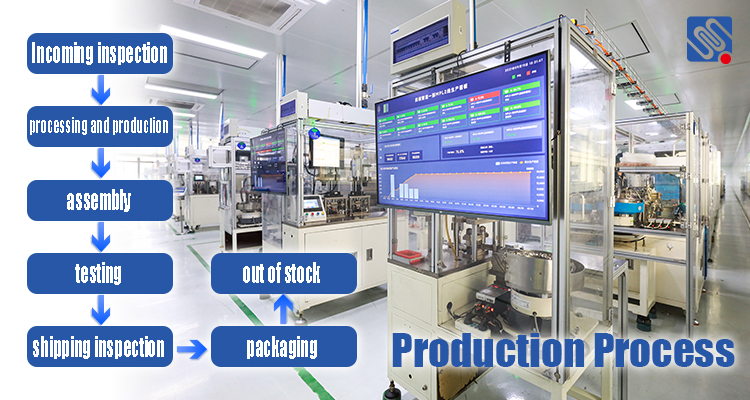
Relay production can be understood as a systematic approach where production activities are sequenced and coordinated through intermediate stages, or “relays.” These relays act as communication and operational bridges between different phases of the manufacturing process. The concept draws upon principles of lean manufacturing, just-in-time production, and information flow optimization, culminating in an efficient production system capable of adapting to dynamic market demands. At its core, relay production emphasizes the importance of real-time synchronization among various production components. In a traditional manufacturing setup, production delays often occur due to miscommunication or lack of alignment between different teams and processes. This can lead to bottlenecks, wasted resources, and ultimately, dissatisfied customers. Relay production mitigates these issues by establishing clear communication channels and checkpoints that enable seamless transitions between production stages.