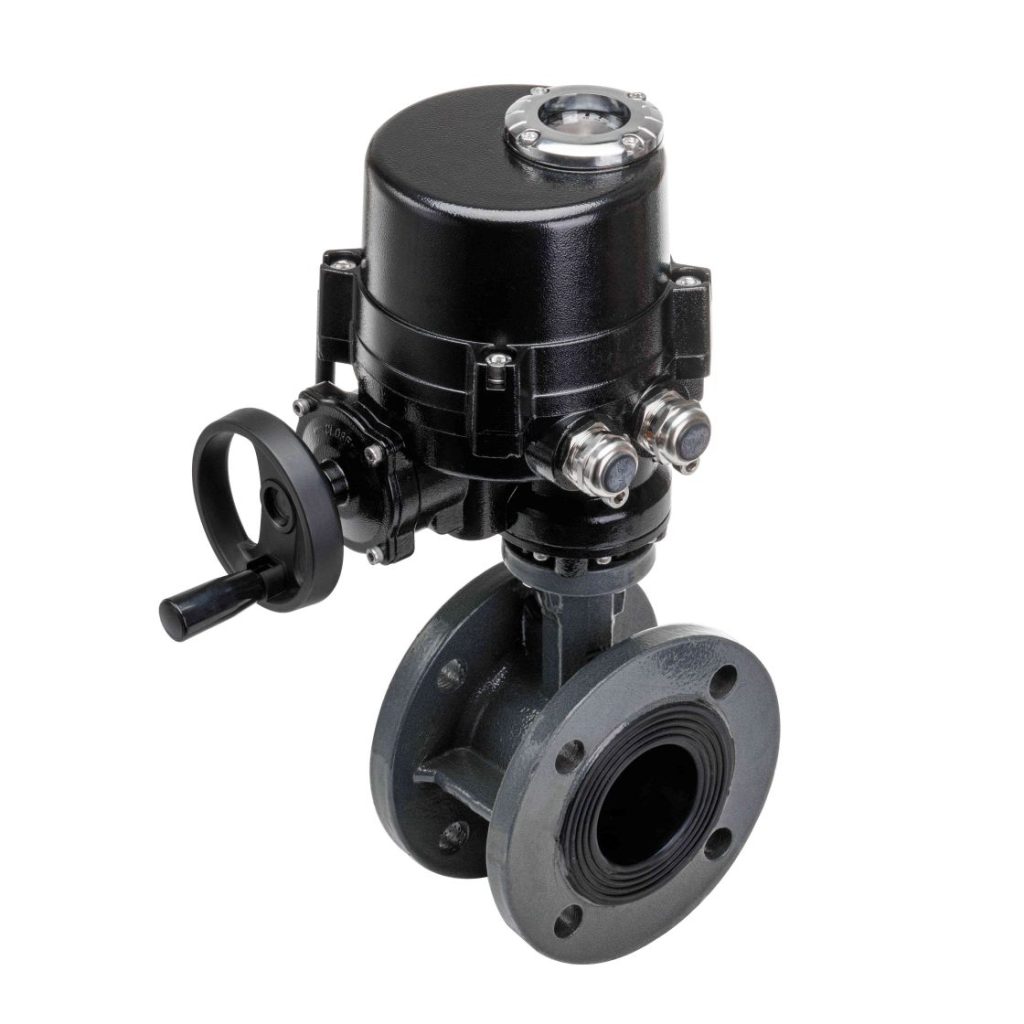
The WCB Electric Ball Valve is an essential tool in various industrial processes that require fluid control, particularly in systems where precision, durability, and automation are crucial. This type of valve combines the robustness of a traditional ball valve with the convenience and control offered by an electric actuator, making it an indispensable part of modern industrial operations. In this article, we will explore the features, benefits, applications, and reasons why the WCB Electric Ball Valve is gaining popularity in sectors such as oil and gas, chemicals, water treatment, and more.
What is a WCB Electric Ball Valve?
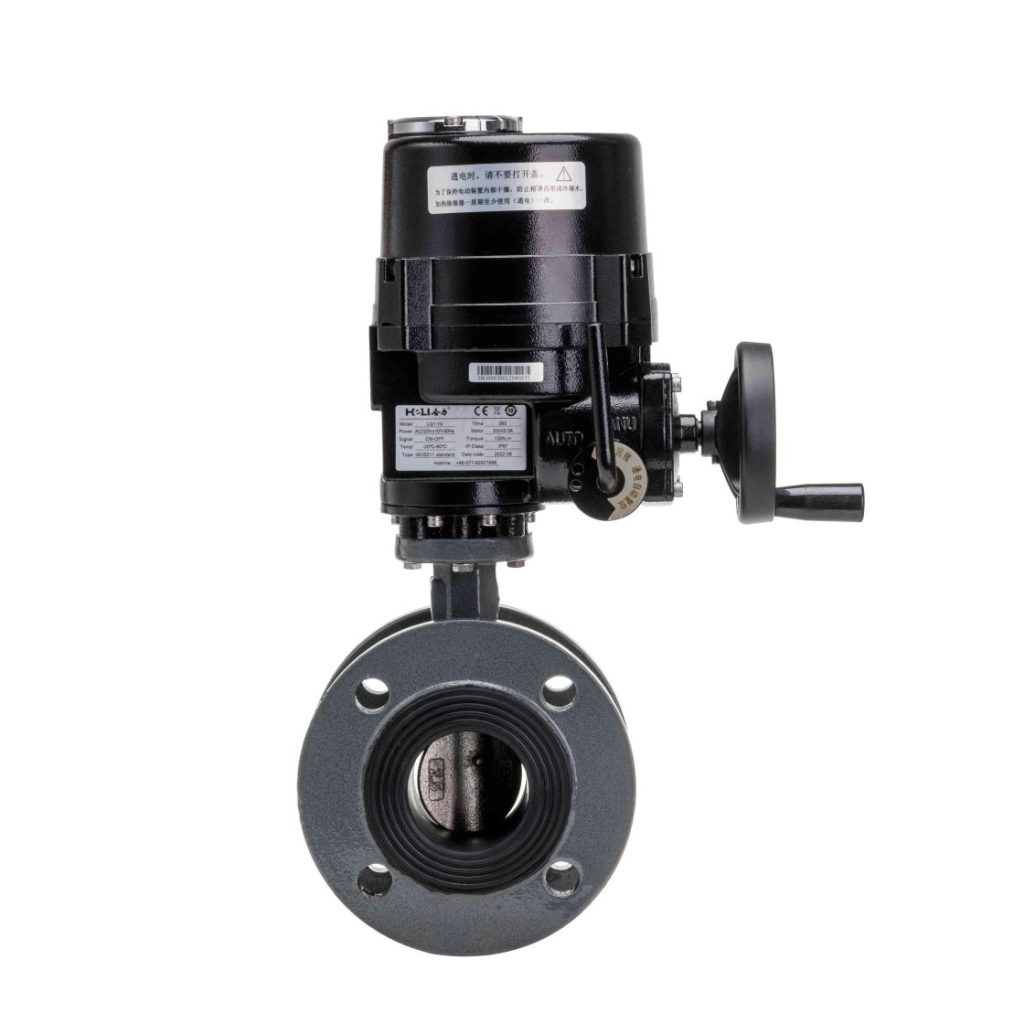
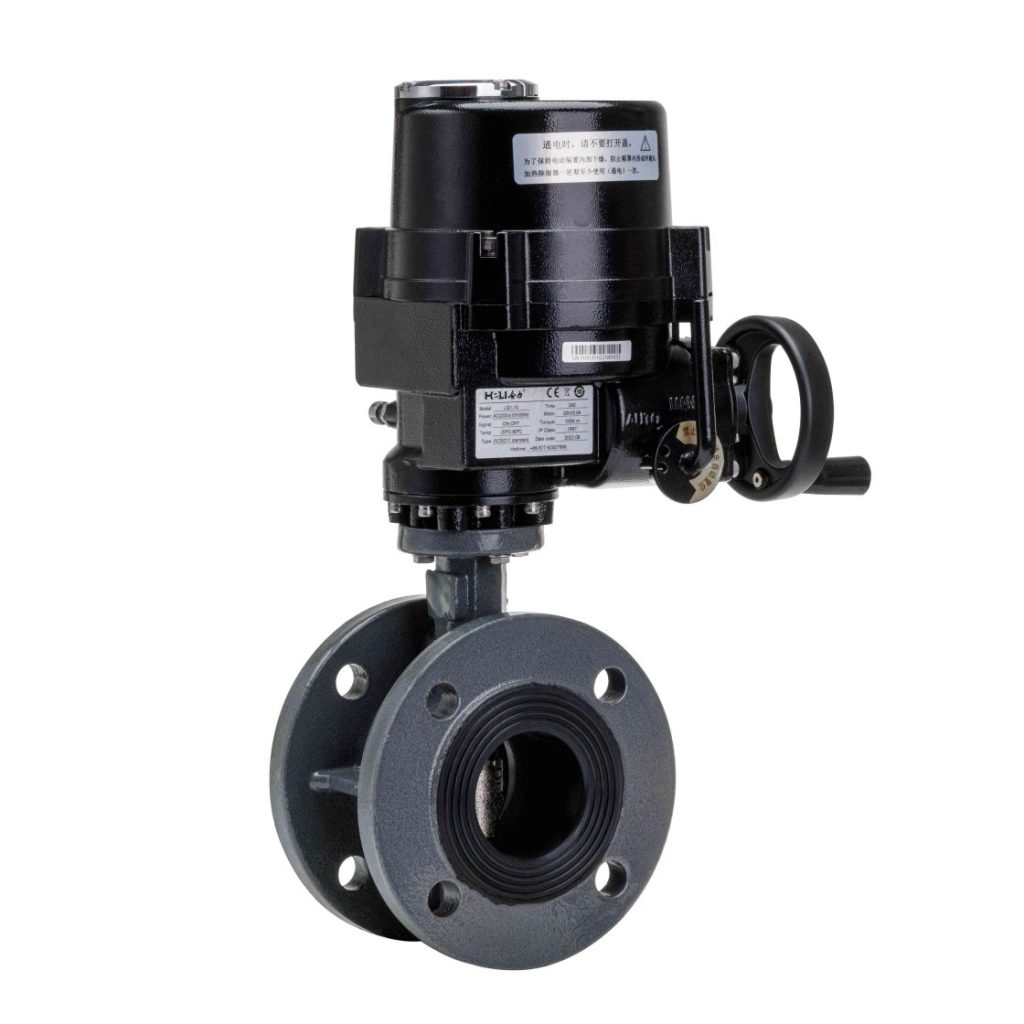
The WCB Electric Ball Valve is a valve system that uses an electric actuator to control the flow of fluids through a pipe. The “WCB” in its name refers to the material specification of the valve body, which is typically made from carbon steel. WCB (Weldable Carbon Steel) is a commonly used alloy in valve construction due to its strength, resistance to wear, and ability to withstand high temperatures and pressures. This valve features a spherical disc (the ball) with a hole through the center. When the valve is open, the hole aligns with the flow path, allowing the fluid to pass through. When the valve is closed, the ball rotates to block the flow completely. The electric actuator that powers the valve provides automatic control, enabling the valve to be remotely operated based on input from a control system.