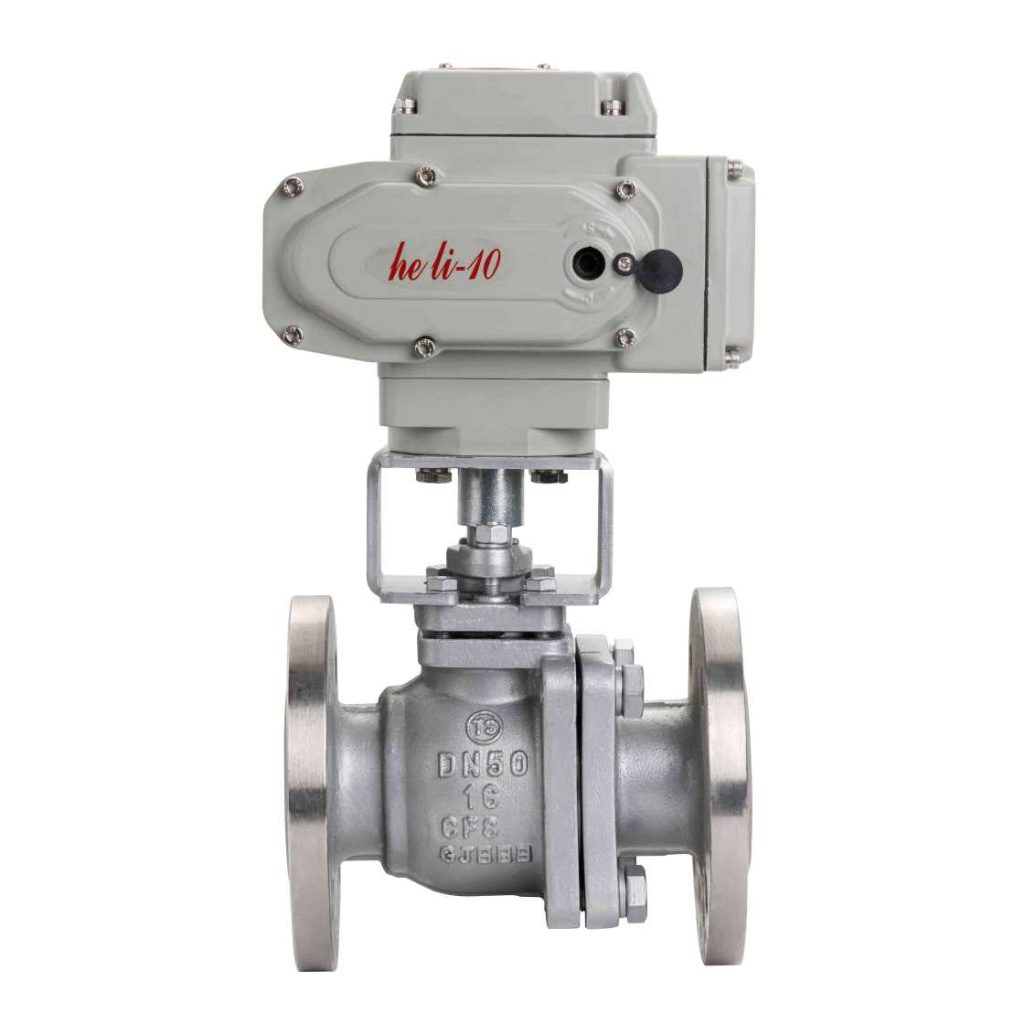
The Stainless Steel Electric Anti-Corrosion Ball Valve is an essential component in modern industrial applications, offering excellent performance and durability in environments where corrosion is a significant concern. With the combination of stainless steel material and electric actuation, this ball valve is designed to handle aggressive chemicals, high-pressure systems, and extreme temperatures while maintaining reliable control of fluid flow. This article will explore the features, advantages, applications, and the importance of using Stainless Steel Electric Anti-Corrosion Ball Valves in various industries.
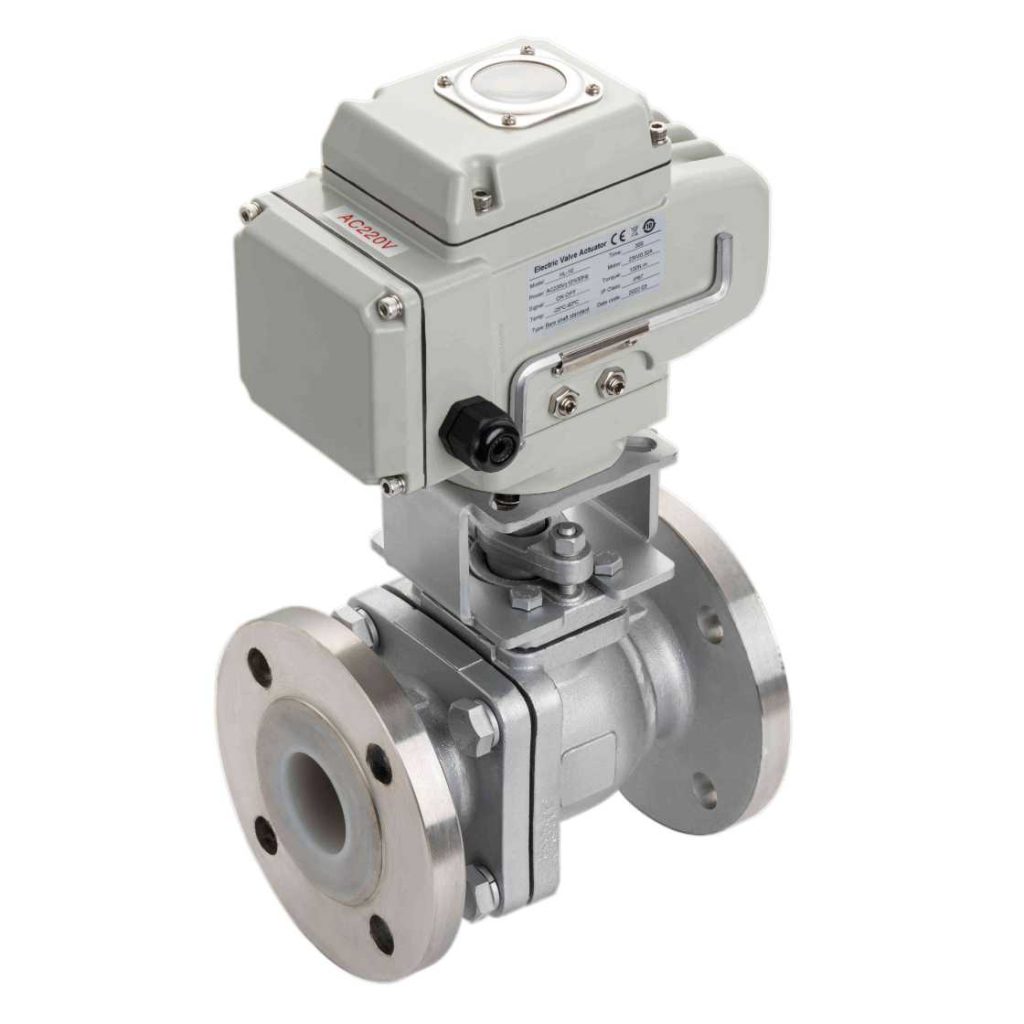
What is a Stainless Steel Electric Anti-Corrosion Ball Valve?
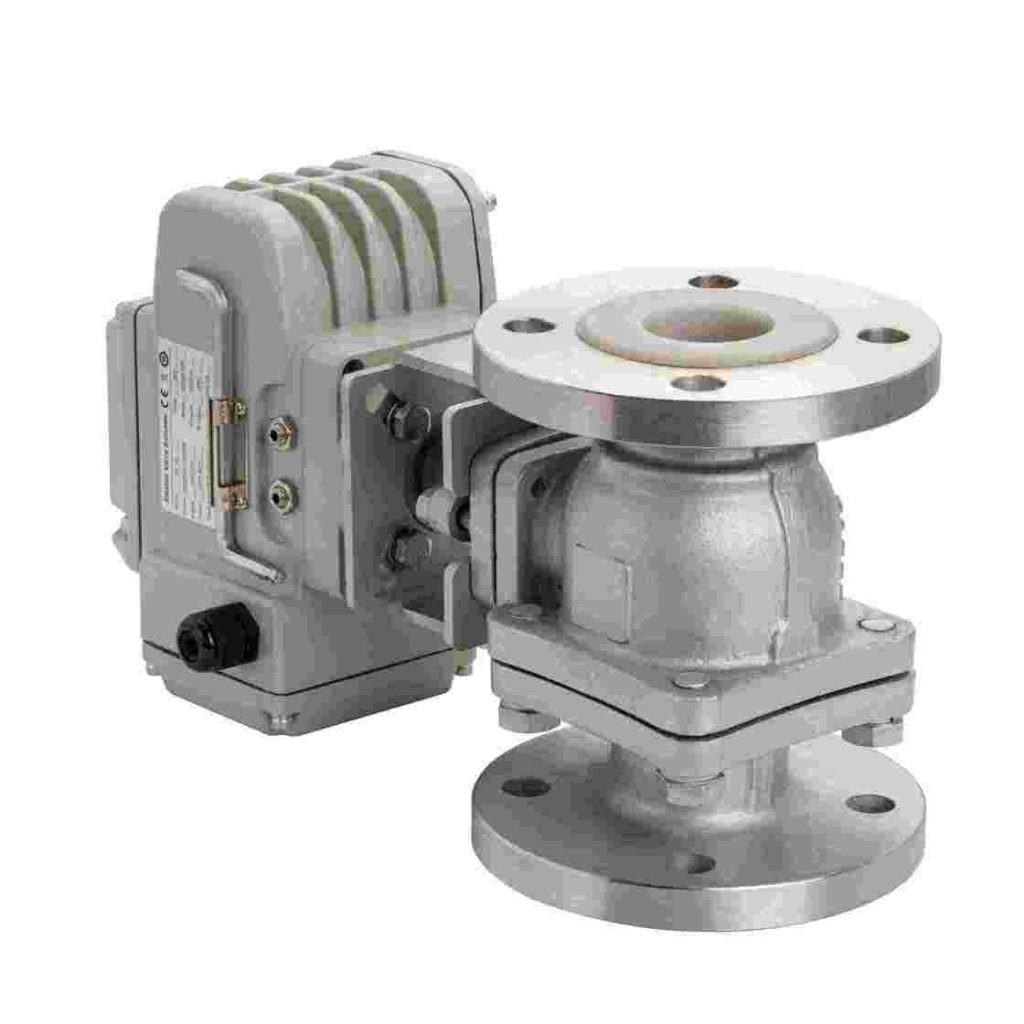
A ball valve is a quarter-turn valve that controls fluid flow using a spherical ball with a hole through its center. When the ball’s hole aligns with the flow path, the fluid passes through, and when it is rotated perpendicular to the flow path, the flow is stopped. The Stainless Steel Electric Anti-Corrosion Ball Valve integrates the durability of stainless steel with an electric actuator, offering automated control over fluid systems. The key feature of these valves is their ability to resist corrosion. Stainless steel, known for its resistance to rust and wear, makes the ball valve an ideal choice for industries where fluid systems are exposed to aggressive substances like acids, salts, and other corrosive agents. In addition, the electric actuation offers ease of remote operation, eliminating the need for manual control and improving system efficiency.