In the rapidly evolving landscape of technology, lithium batteries have emerged as a cornerstone of modern energy storage solutions. These batteries power everything from smartphones and laptops to electric vehicles and renewable energy systems. A critical component of lithium battery design and functionality is the valve, which plays a crucial role in maintaining safety and performance. As such, the role of lithium battery valve manufacturers has become increasingly significant. This article delves into the importance of these manufacturers, the technology behind lithium battery valves, and the challenges they face in the evolving market.
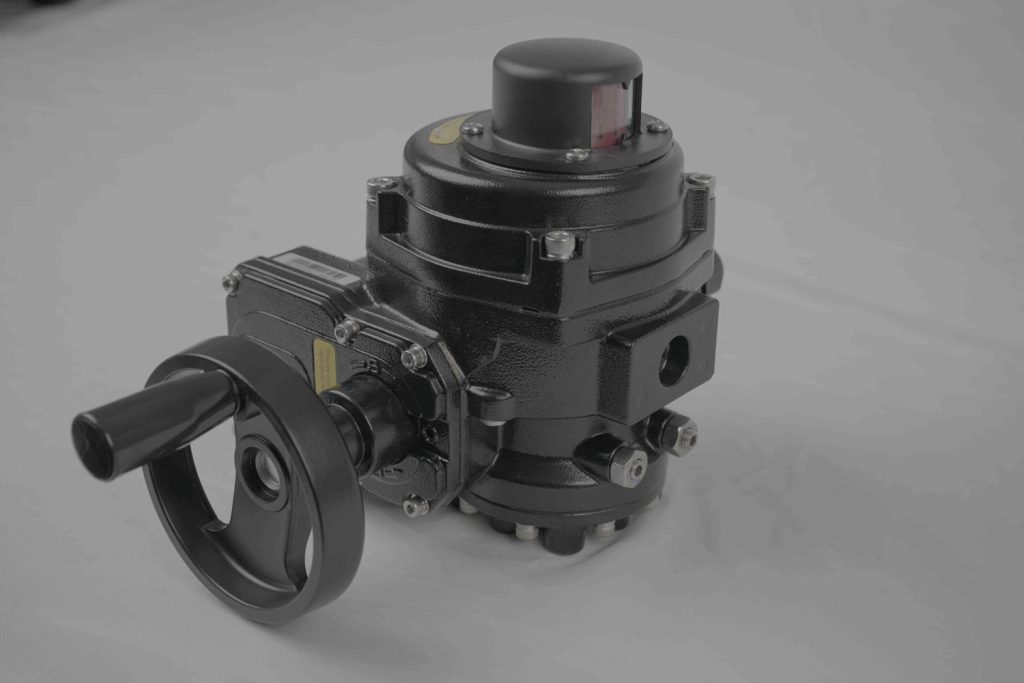
The Role of Lithium Battery Valves Lithium battery valves, specifically pressure relief valves, are designed to prevent the buildup of excessive pressure within the battery cells. During the charging and discharging processes, gases can form as a byproduct of chemical reactions within the battery. If not managed properly, this pressure can lead to catastrophic failures, including leaks, ruptures, or even explosions. Therefore, the valve must operate efficiently and reliably to protect both the battery and the user. Valves in lithium batteries typically feature a one-way design, allowing gases to escape while preventing the ingress of external contaminants. This design is essential for maintaining the integrity of the battery’s internal environment, which is critical for performance and longevity. The quality of these valves directly impacts the overall safety and efficiency of lithium batteries, underscoring the need for high-quality manufacturing standards.