The 24VDC Power Relay is an essential component used in a variety of electrical control systems. Its primary function is to switch circuits on and off using a low voltage control signal. This device plays a critical role in automating and controlling electrical devices, from industrial machinery to household appliances. In this article, we will explore the working principle, applications, types, and key benefits of 24VDC power relays.
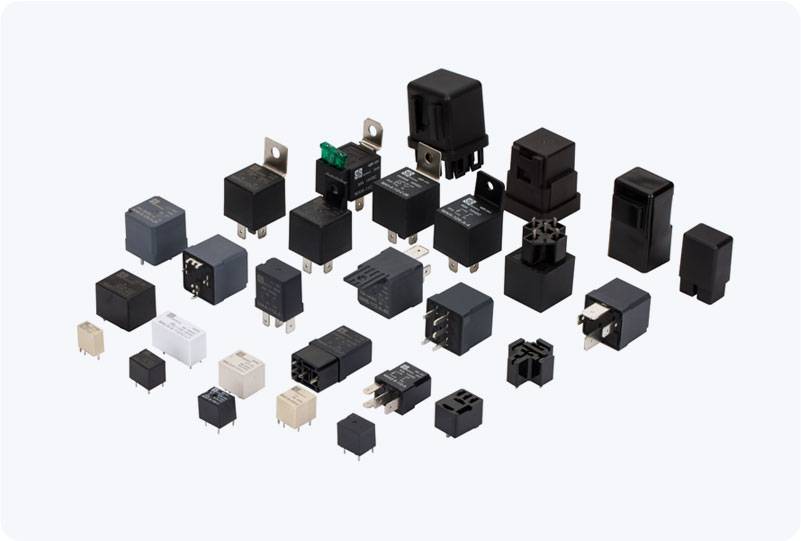
What is a 24VDC Power Relay? A 24VDC Power Relay is a type of electromagnetic switch that uses a 24-volt direct current (DC) supply to control the opening and closing of one or more electrical contacts. When an electrical current flows through the coil of the relay, it generates a magnetic field that activates the switch. This allows the relay to control the flow of electricity to a load (e.g., motors, lights, or other equipment). The advantage of using a relay in control systems is that it allows low-voltage control signals to safely switch high-voltage circuits. The 24VDC power relay typically consists of a coil, movable armature, and one or more contact sets. When the coil is energized, it creates a magnetic force that pulls the armature toward the coil, either closing or opening the contacts in the process. When the coil is de-energized, the armature returns to its default position, causing the contacts to return to their original state.