In the realm of industrial automation and control systems, the importance of reliable components cannot be overstated. One such essential component is the High Quality Industrial Relay, a device that plays a crucial role in managing electrical circuits and controlling larger loads from a smaller control signal. Understanding the functionality, types, applications, and advantages of these relays can significantly enhance operational efficiency and reliability in various industries.
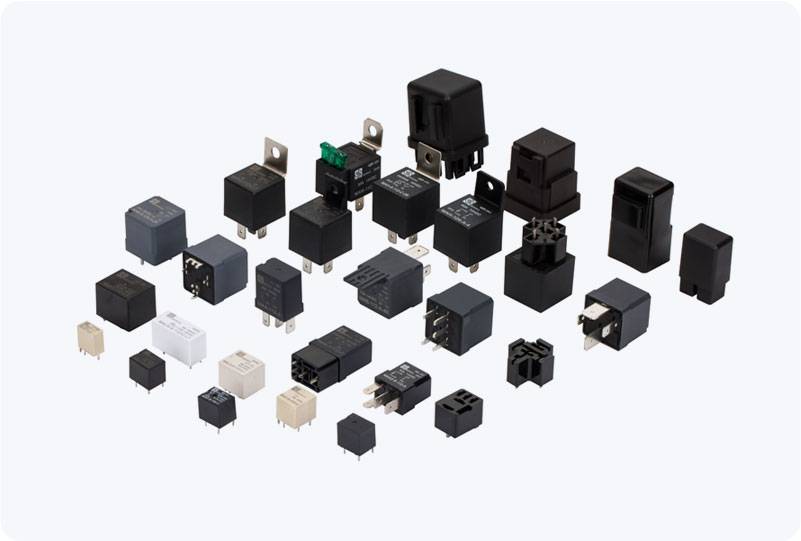
What is a High Quality Industrial Relay? A High Quality Industrial Relay is an electromechanical switch that opens or closes circuits in response to an electrical signal. Its primary function allows low power signals to control larger power loads, making it an invaluable component in many automation systems. The relay typically consists of a coil, contacts, a core, and a housing. When a voltage is applied to the coil, it generates a magnetic field that activates the relay contacts, thereby either providing or interrupting the flow of electricity in the connected load. Types of Industrial Relays