In the world of industrial fluid management, one crucial component stands out for its versatility and efficiency: the Filtration System Solenoid Valve. These devices are pivotal in ensuring the proper flow of fluids through a filtration system, enhancing not only the performance of the system but also the quality of the fluids being processed. This article explores the functionality, types, applications, and benefits of Filtration System Solenoid Valves, shedding light on their role in modern fluid control systems.
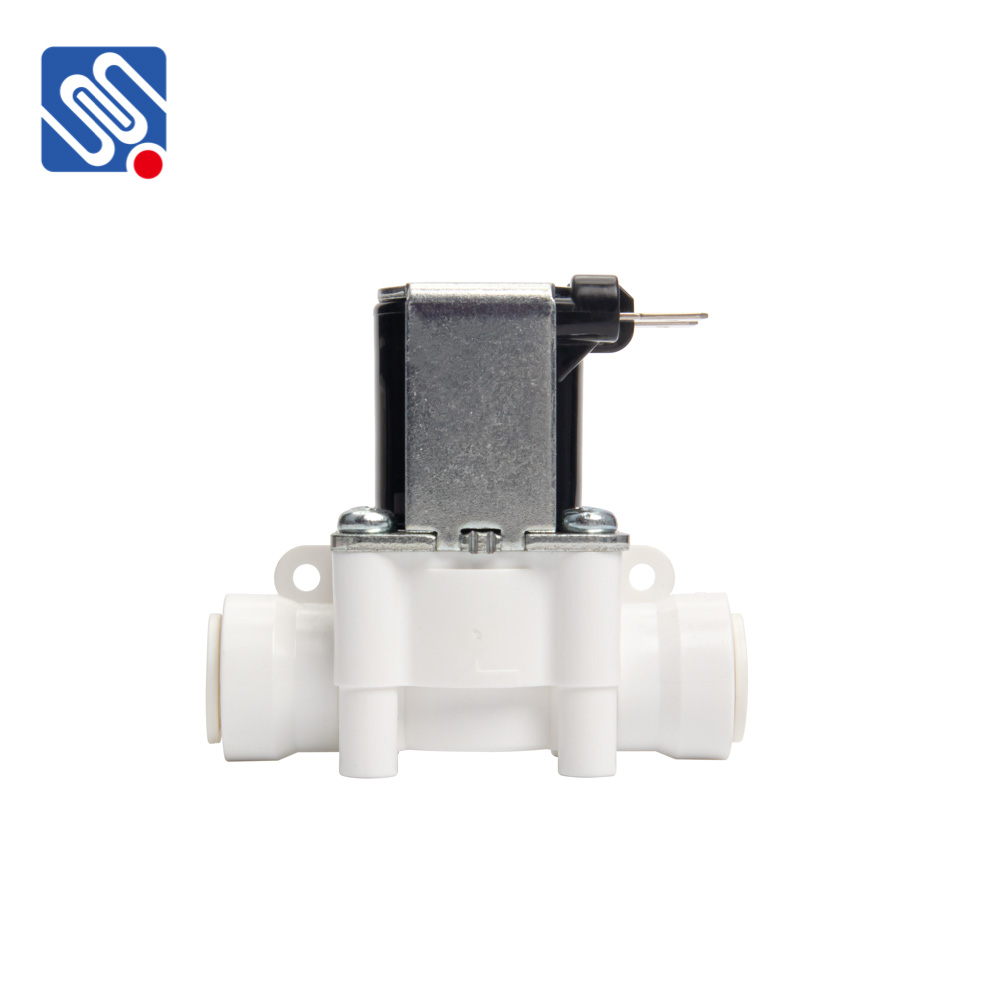
What is a Filtration System Solenoid Valve? A Filtration System Solenoid Valve is an electromechanical device that controls the flow of liquids or gases within a filtration system. It comprises a solenoid, which is an electromagnetic coil that converts electrical energy into mechanical motion, and a valve body that regulates the flow through an opening. When an electrical current passes through the solenoid, it generates a magnetic field that moves the valve’s internal mechanism, allowing or blocking the flow of fluid. How Do They Work? The operation of a Filtration System Solenoid Valve hinges on the principles of electromagnetism. When activated, the solenoid creates a magnetic field that pulls a plunger or armature, either opening or closing the valve. Depending on the design, these valves can be direct-acting or pilot-operated.