In various industries, particularly in oil and gas, chemical manufacturing, and mining, the risk of explosive atmospheres is a constant concern. One crucial component in mitigating these risks is the explosion-proof relay. These specialized devices are designed to perform standard electrical functions while ensuring that any potential sources of ignition are adequately contained. This article delves into the functionality, design features, applications, and importance of explosion-proof relays in maintaining safety in hazardous environments.
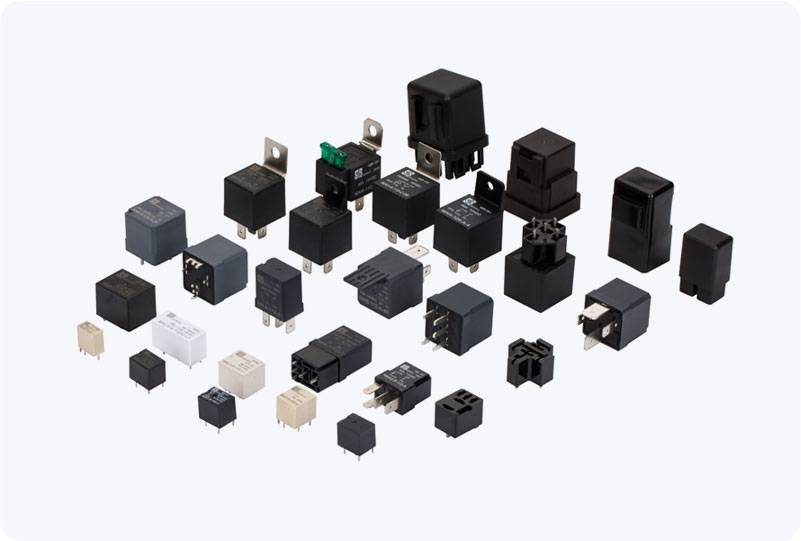
What is an Explosion-Proof Relay? An explosion-proof relay is an electrical device used to control power circuits while providing protection against the ignition of explosive gases or dust. Unlike standard relays, explosion-proof versions feature robust designs and materials that can withstand both external pressures and internal electrical arcing. This unique design is critical for safety in environments where flammable materials are present. Design Features The construction of an explosion-proof relay is particularly important. These devices typically feature a sturdy housing made from materials such as cast aluminum or stainless steel, which can withstand significant physical stress and help prevent the escape of ignition sources. Additionally, explosion-proof relays incorporate unique sealing techniques to ensure that gases or dust cannot enter the housing and reach electrical components.