Relays are an essential component in electrical systems, serving as switches that allow a low-power signal to control a high-power circuit. When selecting a relay for a specific application, one of the most critical factors to consider is its current rating. The relay current rating determines how much electrical current the relay can safely handle without risking damage or malfunction. In this article, we will explore the concept of relay current rating, its significance, and the factors that influence it.
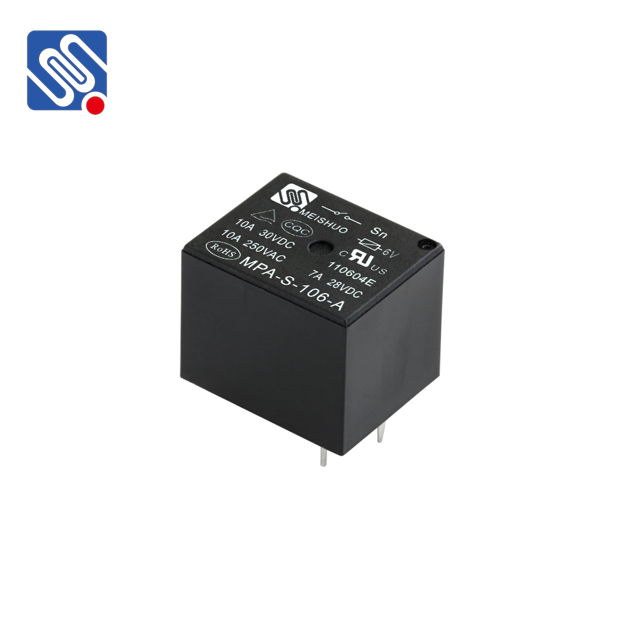
What is a Relay Current Rating? A relay current rating refers to the maximum amount of current that the relay can safely conduct through its contacts when it is in operation. This rating is usually specified by the manufacturer and is typically expressed in amperes (A). The relay current rating ensures that the relay will function properly without overheating or causing damage to the electrical components it controls. It is important to note that the current rating varies depending on whether the relay is controlling an alternating current (AC) or direct current (DC) circuit. Why is Relay Current Rating Important?