In any industrial or commercial setting, safety must always be prioritized, especially in environments that involve machinery, electrical systems, and hazardous materials. This is where Safety Lockout Kits come into play. They are critical tools designed to protect workers from unexpected machine startups and hazardous energy releases during maintenance and repair tasks. In this article, we’ll explore what Safety Lockout Kits are, their components, importance, and best practices for implementing them in the workplace.
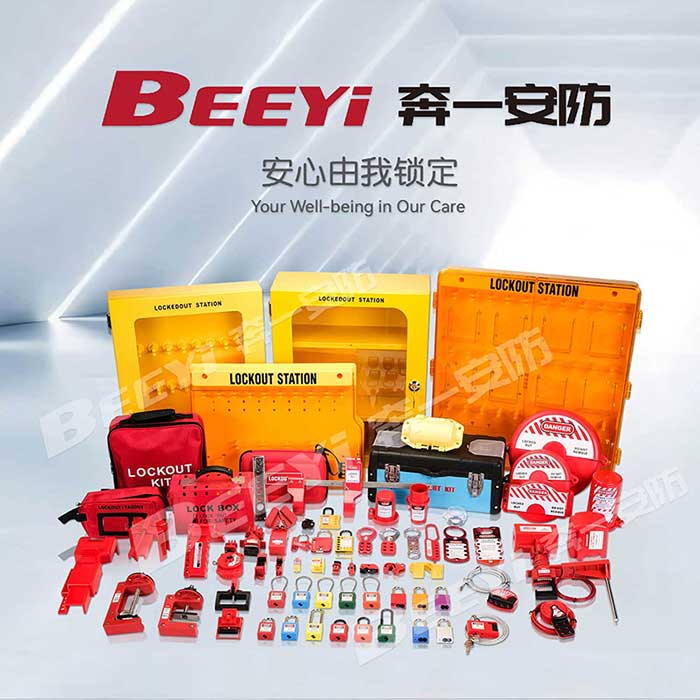
What are Safety Lockout Kits? Safety Lockout Kits are comprehensive collections of devices and equipment used to prevent the accidental re-energization of machinery while maintenance or repair work is being conducted. These kits typically include a range of lockout/tagout (LOTO) devices including padlocks, hasps, warning tags, and various lockout devices for specific machines. The goal of using these kits is not only to enhance worker safety but also to comply with occupational safety regulations. Key Components of Safety Lockout Kits Lockout Devices: These are the core components of any safety lockout kit. They come in various forms, including valve lockouts (for isolating energy sources), circuit breaker lockouts (for securing electrical panels), and equipment lockouts. Each type is designed to fit specific types of machinery or equipment.