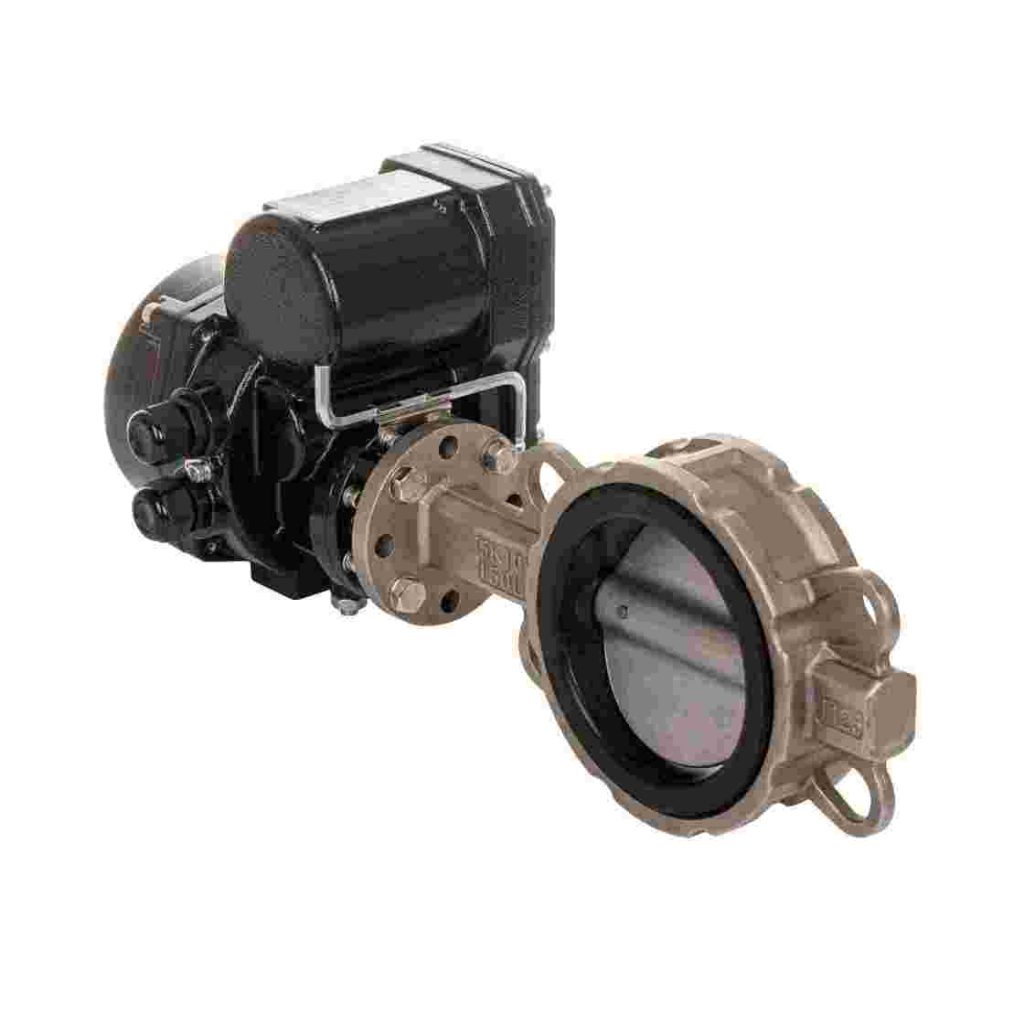
In the realm of industrial fluid control systems, the Stainless Steel Electric Flanged Soft Seal Butterfly Valve stands out as a highly efficient and reliable option. This valve type combines a robust stainless steel construction with an electric actuator, enabling effective control of a wide variety of fluids while ensuring excellent sealing performance. This article explores the fundamental components, advantages, installation considerations, and diverse applications of stainless steel electric flanged soft seal butterfly valves.
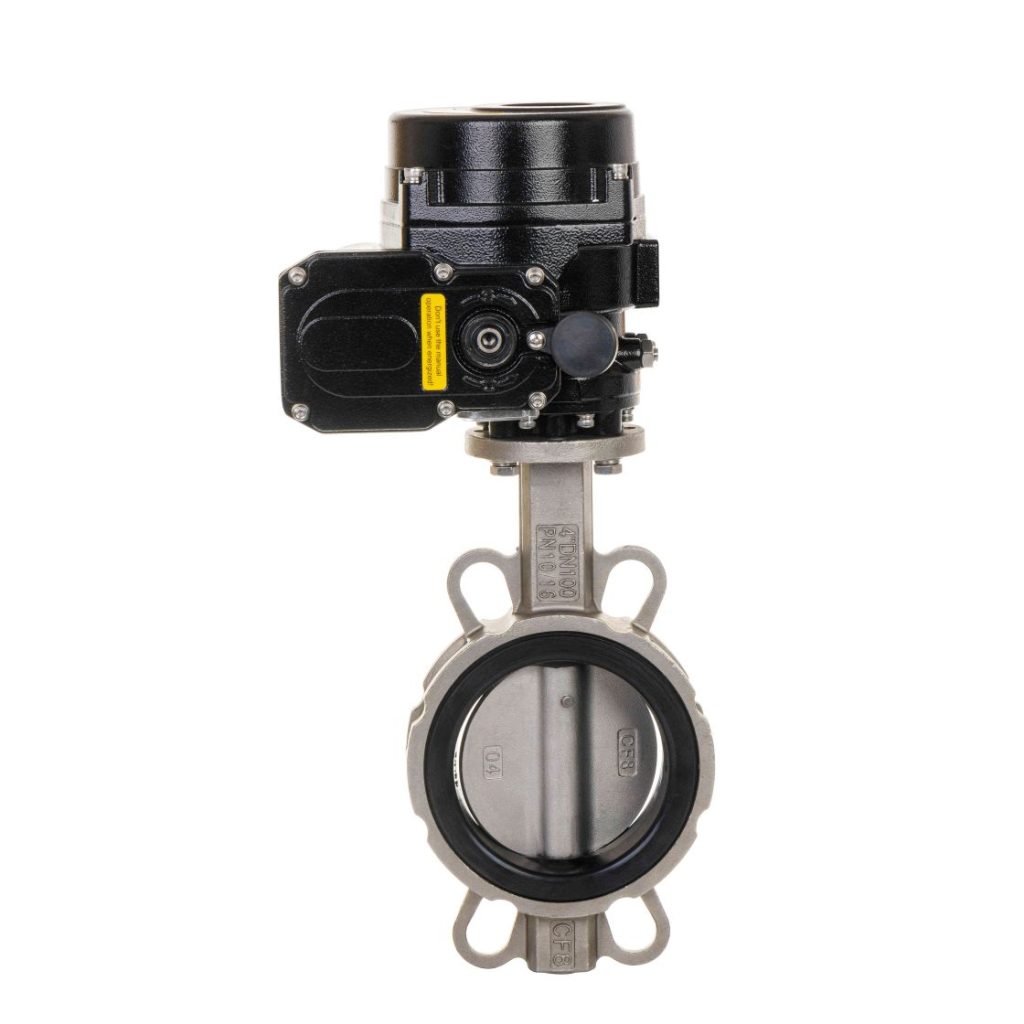
Understanding the Structure
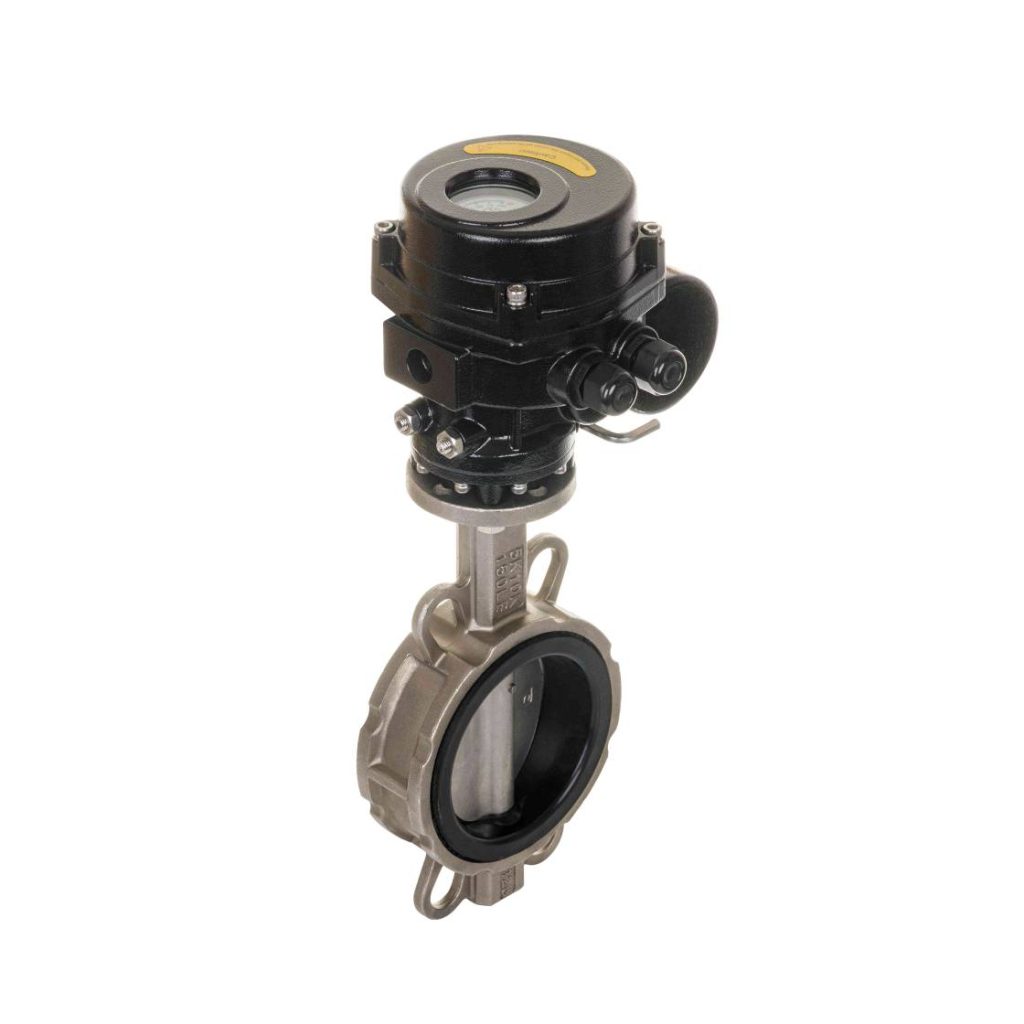
At its core, the stainless steel electric flanged soft seal butterfly valve consists of several key components. The valve body is primarily constructed from stainless steel, commonly designated as 304 or 316, which enhances its durability and resistance to corrosion. Stainless steel is particularly advantageous in environments where exposure to moisture, aggressive chemicals, or high temperatures may occur. The butterfly valve features a circular disc known as the valve plate, which is rotatable around a central axis. This disc is also made from stainless steel and is often equipped with a soft sealing material, such as EPDM (ethylene propylene diene monomer) or NBR (nitrile butadiene rubber). The soft sealing mechanism ensures minimal leakage when the valve is in a closed state, making it suitable for various applications.