In today’s industrial landscape, the safety and well-being of workers are of utmost importance. Among the multitude of safety protocols in place, “lock out equipment” — a critical safety system known as Lockout/Tagout (LOTO) — plays an essential role in preventing accidents and injuries during maintenance and repair operations on machinery. This article explores the key aspects of lock out equipment, its significance, and best practices for implementation.
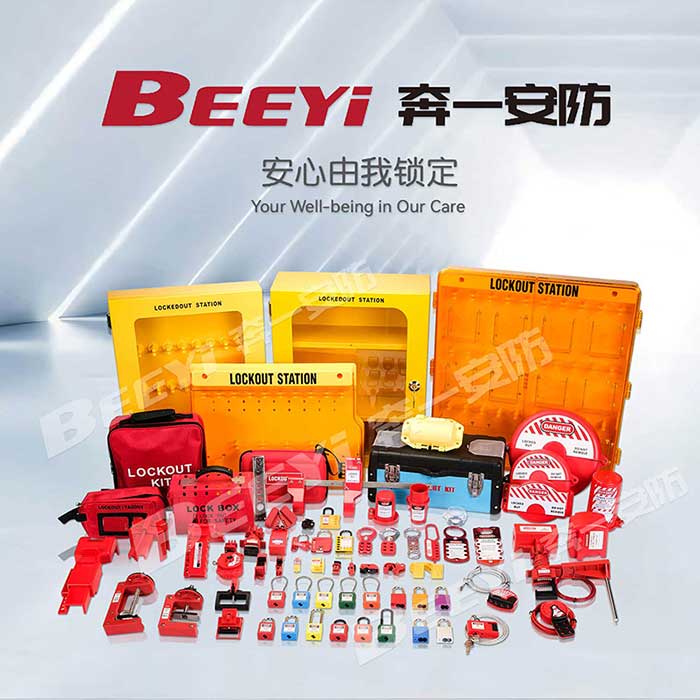
Understanding Lock Out Equipment Lock out equipment refers to the devices and procedures used to ensure that machinery or equipment is properly shut down and unable to be started up again until maintenance or repairs are completed. Lockout/Tagout procedures are primarily designed to protect workers from hazardous energy sources such as electrical, mechanical, hydraulic, pneumatic, chemical, and thermal energies that could activate machinery unexpectedly. Under the Occupational Safety and Health Administration (OSHA) regulations, implementing LOTO protocols is not just a best practice; it is a legal requirement for industries where work on machines is conducted.