The Dual Relay Module is an essential component in many automation and control systems, allowing users to control high voltage or high current devices via a low voltage or low current circuit. Widely used in microcontroller-based projects, such as those with Arduino, Raspberry Pi, and other embedded systems, the Dual Relay Module offers an efficient solution for switching AC or DC devices. This article explores the functionality, applications, and key features of the Dual Relay Module, providing a comprehensive understanding of how it works and its relevance in modern electronics and automation.
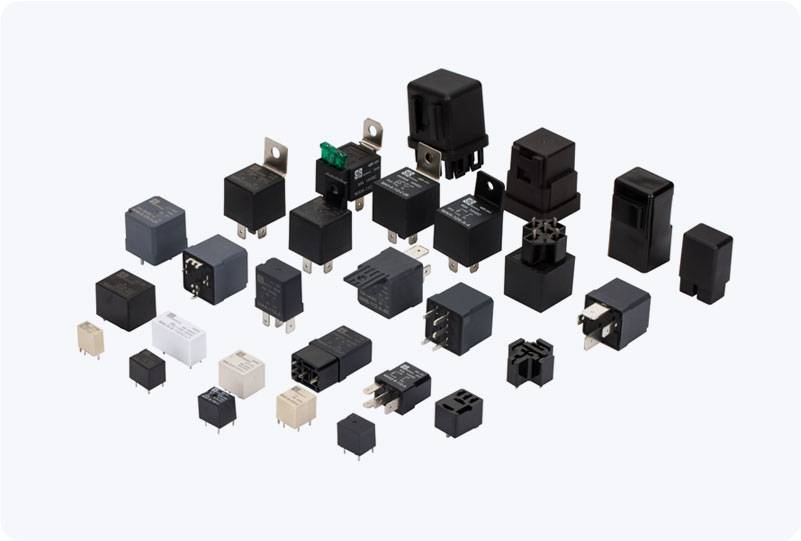
What is a Dual Relay Module? At its core, a Dual Relay Module is an electronic module equipped with two relay switches, which are used to control external electrical devices. The relays act as electrically operated switches that can control high-voltage or high-current loads, such as home appliances, lights, motors, and more. What makes the Dual Relay Module particularly useful is its ability to independently control two separate devices, making it ideal for various automation tasks. Each relay on the module is typically controlled by a low voltage digital signal (usually from a microcontroller). When a signal is sent to the relay’s control pins, it switches the internal contacts, either opening or closing them, depending on the desired action. This allows the user to control devices that operate at higher voltages, like 220V AC, with a low-voltage microcontroller (5V or 3.3V).