In industrial settings, the safety of workers is paramount, especially when dealing with dangerous machinery and equipment. One of the most effective safety practices employed in these environments is the lockout/tagout (LOTO) procedure, which includes the use of lock out equipment. This procedure is designed to prevent unexpected energization or startup of machinery, ensuring that workers can perform maintenance and repair tasks without the risk of harm. In this article, we will explore the importance of lock out equipment, the components involved in LOTO procedures, and the benefits of implementing these safety measures in the workplace.
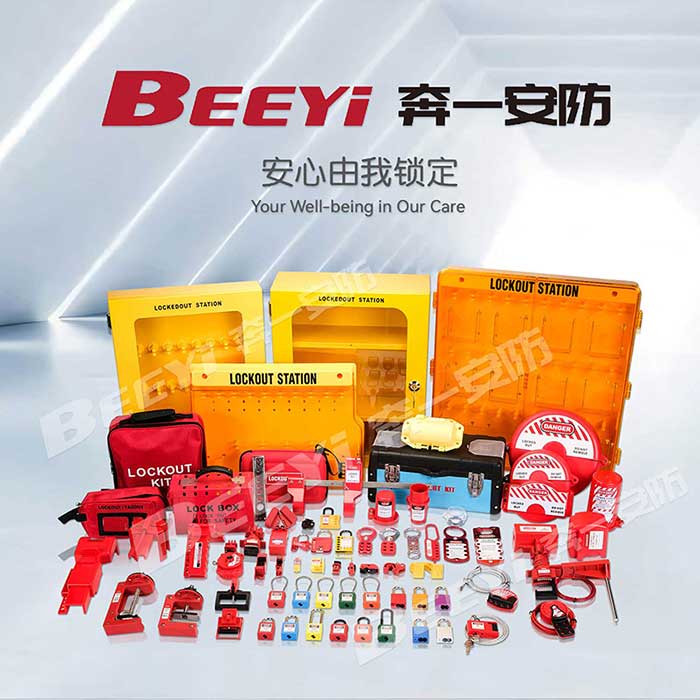
The Importance of Lock Out Equipment Lock out equipment plays a crucial role in safeguarding employees during maintenance activities. When machinery is in operation, it can pose a significant risk to workers. Accidents can occur if equipment is started unexpectedly, which can lead to serious injuries or even fatalities. According to the Occupational Safety and Health Administration (OSHA), failure to implement proper locking and tagging procedures is one of the leading causes of workplace accidents in industries that involve heavy machinery. The LOTO procedure requires the use of lock out equipment to isolate energy sources and prevent the accidental release of hazardous energy. By effectively securing machines and equipment with locks and tags, employers create a safer work environment where employees can perform their duties with peace of mind.