In today’s rapidly advancing technological world, the demand for environmentally responsible products is increasing. One such product that plays a significant role in various industries while adhering to stringent environmental standards is the RoHS Compliant Solenoid Valve. These valves are crucial components in fluid control systems and are specifically designed to meet the EU’s RoHS Directive, which restricts the use of certain hazardous substances in electrical and electronic equipment. By ensuring that these valves comply with RoHS standards, manufacturers contribute to a greener, healthier environment without compromising on performance and quality.
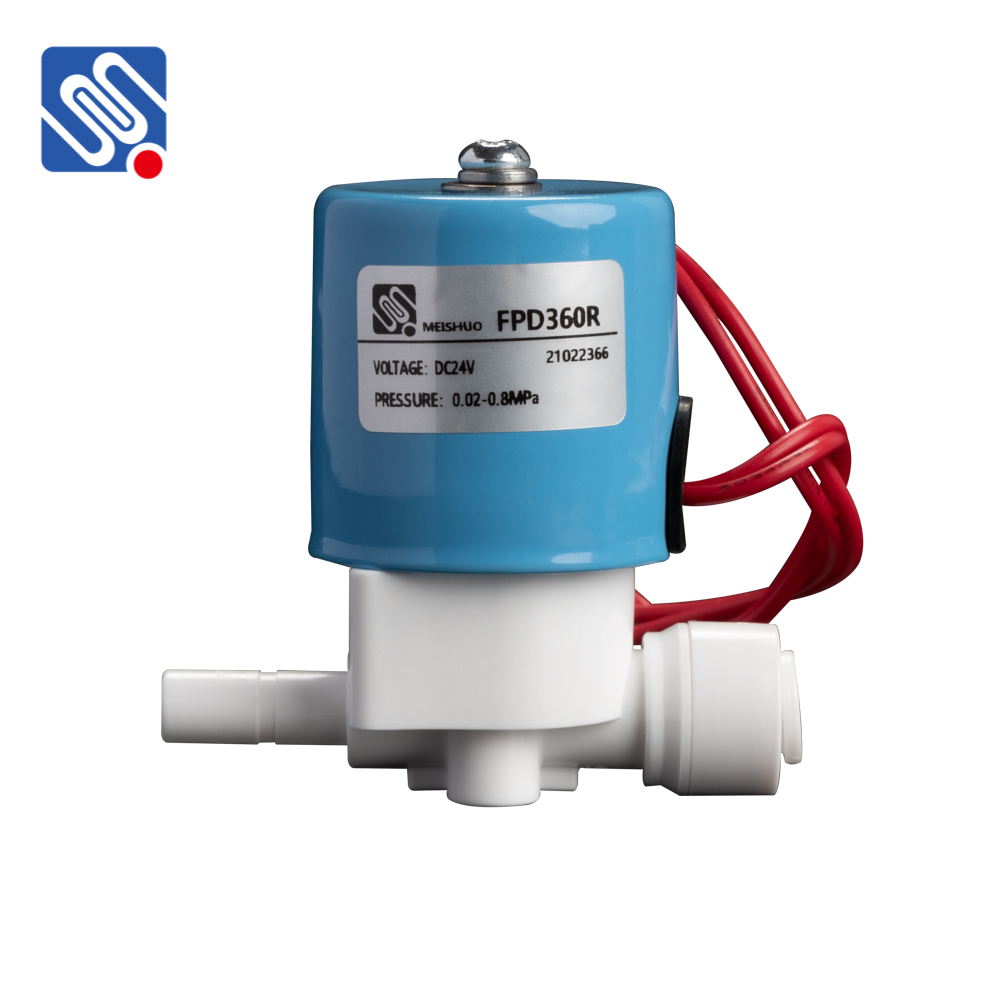
What is a Solenoid Valve? A solenoid valve is an electromechanically operated valve used to control the flow of liquids or gases in a wide variety of systems. It operates through an electromagnetic coil that, when energized, opens or closes the valve, allowing or blocking fluid flow. Solenoid valves are integral components in applications such as industrial automation, HVAC systems, automotive systems, and medical devices. RoHS Compliance and Its Importance The RoHS Directive (2002/95/EC), adopted by the European Union, limits the use of specific hazardous materials in electrical and electronic products. The directive specifically targets materials like lead (Pb), mercury (Hg), cadmium (Cd), hexavalent chromium (Cr6+), polybrominated biphenyls (PBB), and polybrominated diphenyl ethers (PBDE), all of which can pose significant risks to human health and the environment. RoHS compliance ensures that manufacturers use only approved materials in the construction of their products, thereby reducing environmental pollution and health hazards associated with toxic substances.