In recent years, electric vehicles (EVs) have gained immense popularity due to their environmental benefits and advancements in technology. One critical component in the effective functioning of EVs is the Electric Vehicle High Voltage Relay. This article outlines the essential role of these relays in electric vehicles, their working principles, applications, safety considerations, and future innovations.
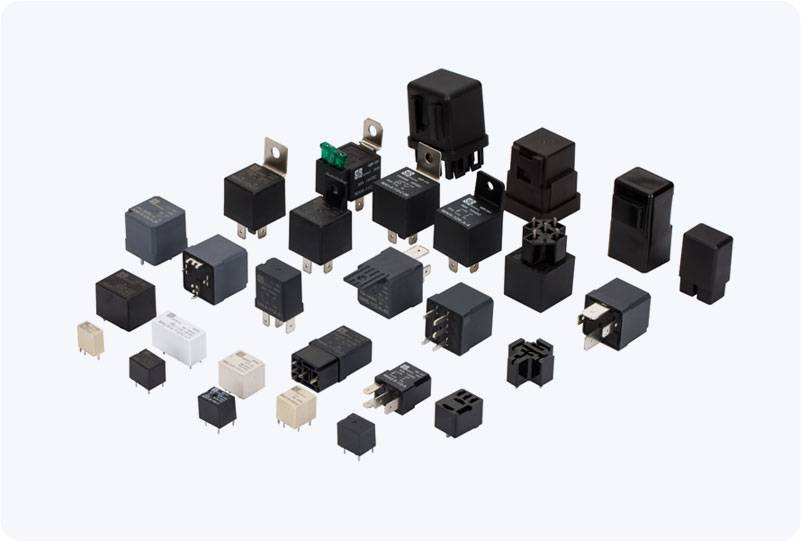
The Role of High Voltage Relays Electric vehicles rely on high voltage systems, particularly in their battery management and power distribution. The high voltage relay acts as a vital switch, controlling the connection between high voltage components, such as the battery, electric motor, and power electronics. Essentially, the relay allows these systems to be turned on or off depending on the vehicle’s operational requirements. When an electric vehicle is powered on, the high voltage relay closes to connect the battery to the electric drive motor, enabling the vehicle to operate. Similarly, when charging or during deactivation, the relay opens, effectively disconnecting the battery from the rest of the system. This dynamic control is fundamental to the EV’s performance, safety, and efficiency.