In the industrial world, ensuring the safety of workers while maintaining complex electrical systems is of paramount importance. One of the most effective safety measures used to protect workers during maintenance and repair of electrical equipment is the application of Electrical Equipment Lockouts (LOTO). This process plays a crucial role in preventing accidental energization of equipment and protects personnel from potential electrical hazards such as electric shock, burns, and even fatal injuries.
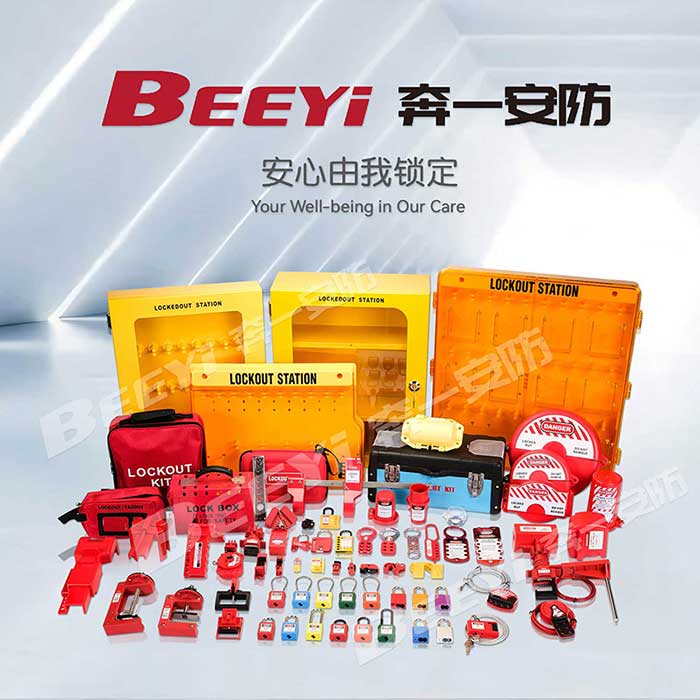
Understanding Electrical Equipment Lockouts Lockout/Tagout (LOTO) refers to a set of procedures used to prevent the accidental release of hazardous energy during maintenance or repair work. These procedures involve locking and tagging energy-isolating devices to ensure that machines and electrical circuits cannot be accidentally energized while maintenance work is being performed. The LOTO application is not limited to electrical systems but extends to any energy source, such as hydraulic, pneumatic, mechanical, or thermal systems. In electrical applications, the LOTO procedure is particularly essential for controlling the risks associated with electrical energy. When electrical equipment needs to be serviced or repaired, a failure to properly isolate the energy can lead to severe accidents. By using lockout devices, workers ensure that all electrical circuits are securely de-energized before work begins, providing a safe working environment.