In industrial settings, safety is paramount, particularly when it comes to controlling hazardous equipment and machinery. One of the most critical aspects of workplace safety is the proper use of lockout/tagout (LOTO) procedures, which are designed to prevent the accidental release of energy during maintenance or repair work. Among the various tools used in LOTO procedures, the valve lockout device plays a crucial role in ensuring that valves remain in a secure position, preventing the inadvertent flow of dangerous substances such as gases, liquids, or steam.
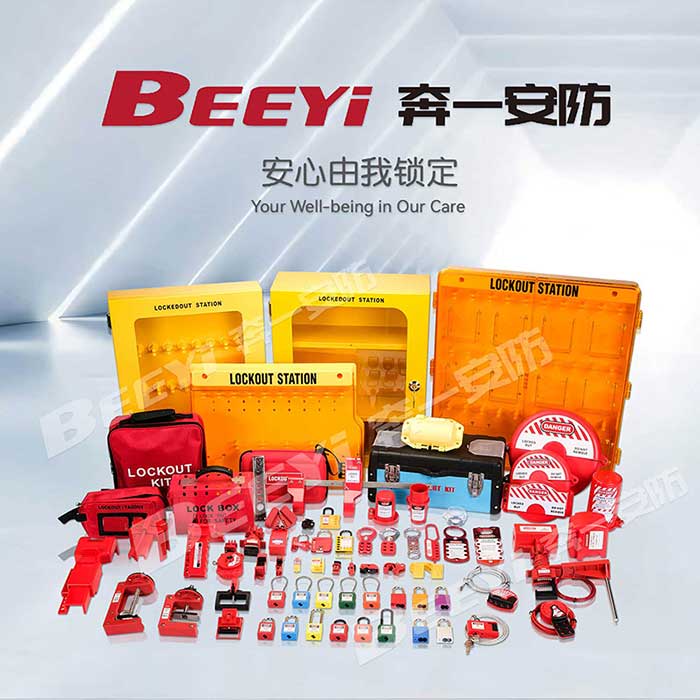
What is a Valve Lockout Device? A valve lockout device is a safety mechanism used to lock or secure a valve in either an open or closed position during maintenance or service work. These devices are designed to prevent the unintentional operation of the valve while maintenance is being carried out. It typically works by attaching a lock or device to the valve handle, lever, or stem, which can only be unlocked by authorized personnel. This prevents unauthorized personnel from accidentally turning the valve on, which could lead to dangerous accidents, equipment failure, or injuries. The Importance of Valve Lockout Devices