The IEC 61811 Power Relay is a crucial component in various electrical and automation systems, playing a vital role in controlling and protecting electrical circuits. This international standard, which applies to power relays, defines the performance, design, and testing requirements for these devices, ensuring their reliability and safety in diverse industrial applications. In this article, we will explore the importance of IEC 61811 Power Relays, their key features, and the applications in which they are commonly used.
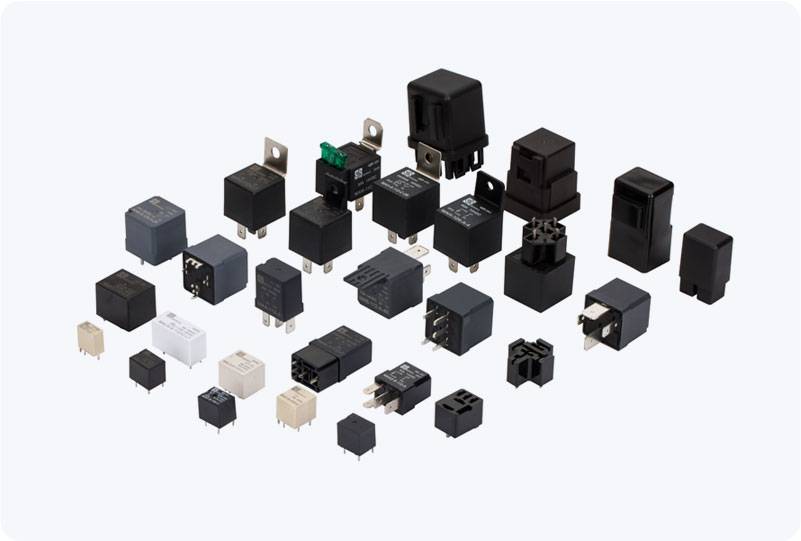
What is IEC 61811 Power Relay? IEC 61811 is an international standard developed by the International Electrotechnical Commission (IEC). It specifically outlines the design, testing, and performance criteria for power relays used in electrical systems. These relays are typically used to control and protect electrical circuits by opening or closing contacts in response to changes in voltage or current. Power relays are commonly employed in automation, protection, and control systems, especially in environments where high voltage and high current switching is required. The primary goal of the IEC 61811 standard is to ensure that power relays operate safely and efficiently under a wide range of conditions. The standard also provides guidelines for the mechanical and electrical characteristics of the relays, which helps manufacturers design reliable and durable products.