In the world of electronics, safety, and control are two critical aspects that cannot be overlooked. One component that ensures both is the Optocoupler Protected Relay Module. This module is commonly used to control high-voltage circuits from a low-voltage control source, offering electrical isolation and protecting sensitive control electronics from high-power surges. Let’s delve into the details of this essential module and explore how it works, its applications, and its benefits.
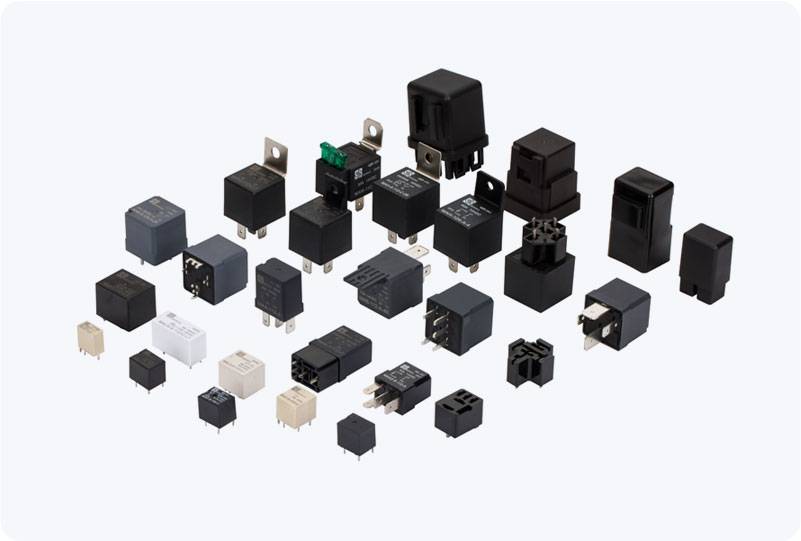
What is an Optocoupler Protected Relay Module? At its core, an Optocoupler Protected Relay Module is a device that uses a relay, an optocoupler, and additional protection mechanisms to control higher-voltage systems with lower-voltage signals, typically from a microcontroller. The key element here is the optocoupler, which provides electrical isolation between the low-voltage control circuitry and the high-voltage relay, ensuring the safety of the control system. The module typically consists of three primary components: Optocoupler: This is the isolation component that transmits signals between the low-voltage and high-voltage parts of the system via light, without any direct electrical connection. This isolation is crucial for protecting the sensitive low-voltage components, such as microcontrollers or sensors, from potential damage due to high-voltage spikes.