Bistable relays, also known as latching relays, have become an essential component in various modern electrical and electronic systems. Unlike conventional relays, which require a constant supply of energy to maintain a particular state, bistable relays operate with two stable states and can switch between them using a brief pulse of energy. This unique characteristic not only saves energy but also enhances the reliability of many applications, making bistable relays highly sought after in automation, power systems, and other fields where energy efficiency and long-term stability are critical.
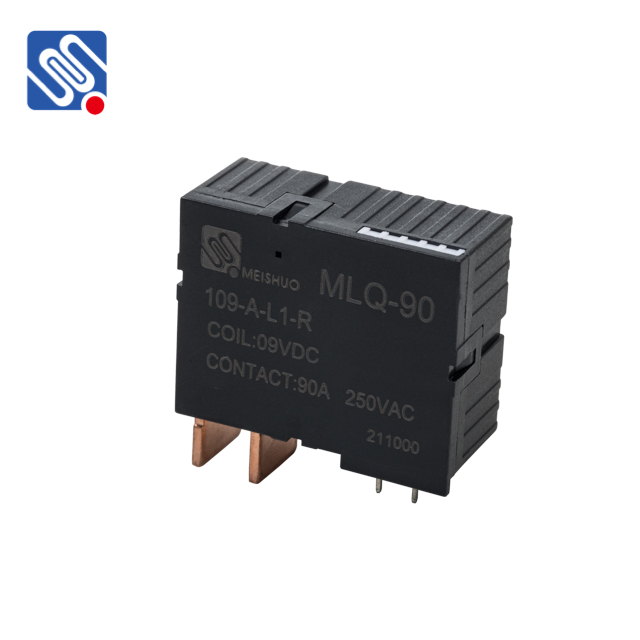
What is a Bistable Relay? A bistable relay is a type of electromagnetic relay that can maintain one of two stable states without the need for continuous power. Once switched to one state, the relay will remain in that state until it receives a control signal to switch to the other. This makes bistable relays more energy-efficient than traditional relays, which require continuous power to stay in a given state. The bistable relay consists of two electromagnetic coils or switches. One coil is used to energize the relay and switch it to the first state, while the second coil is used to switch it to the second state. Once the relay has switched, it remains in that state without the need for a continuous flow of energy.