Safety is a top priority in industrial environments, especially when working with pressurized systems such as boilers, tanks, and pipelines. A critical component of maintaining safety is preventing unauthorized or accidental operations of safety valves, which is where a Safety Valve Lock comes into play. This lock ensures that safety valves cannot be inadvertently or deliberately tampered with, keeping personnel and equipment safe from potential hazards. This guide will walk you through the steps involved in installing a safety valve lock and outline best practices for ensuring its effectiveness.
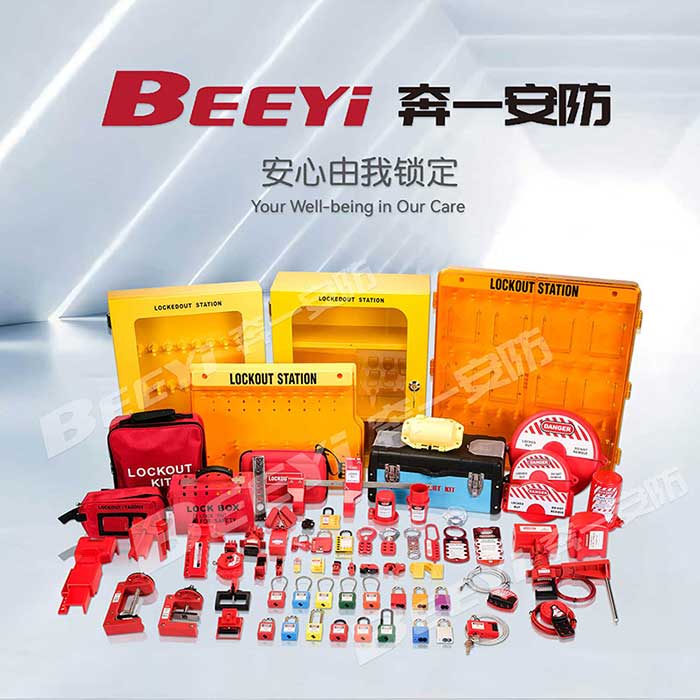
Understanding the Safety Valve Lock A Safety Valve Lock is a device designed to physically prevent a safety valve from being opened during maintenance, inspection, or other operations. It is typically used in industries such as oil and gas, chemical manufacturing, and utilities, where pressure vessels and pipelines are commonplace. The primary function of the safety valve lock is to avoid accidental release of pressure, which could lead to catastrophic failures, injuries, or environmental damage. These locks come in various designs, such as mechanical locks that secure the valve’s operational handle or locking pins that prevent the valve from being actuated. Regardless of the type, the installation process is crucial to ensuring their proper functioning.