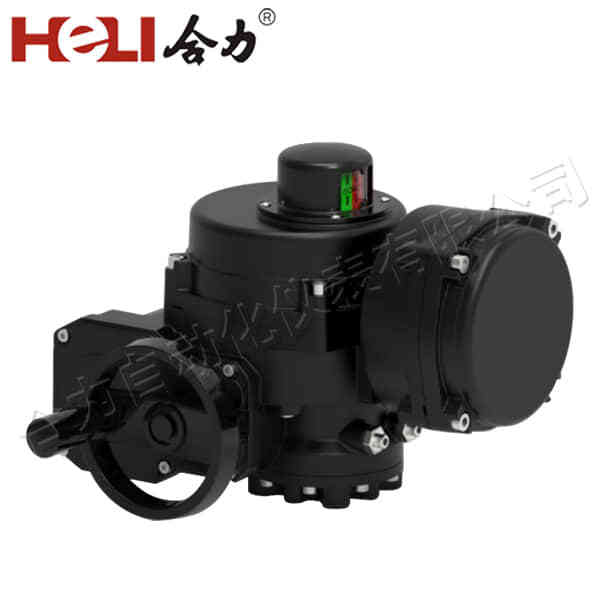
The electric actuator valve plays a crucial role in various industries by offering precise control over the flow of fluids, gases, or other substances. With the growing need for automation in sectors such as oil and gas, HVAC systems, water treatment, and chemical processing, the electric actuator valve has become a core technology. This article will explore the key features, advantages, and applications of electric actuator valves, helping you understand why they are indispensable in today’s industrial landscape.
What is an Electric Actuator Valve?
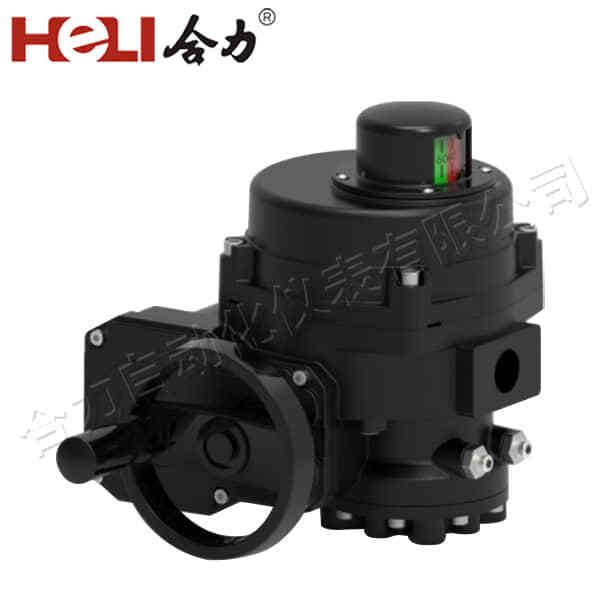
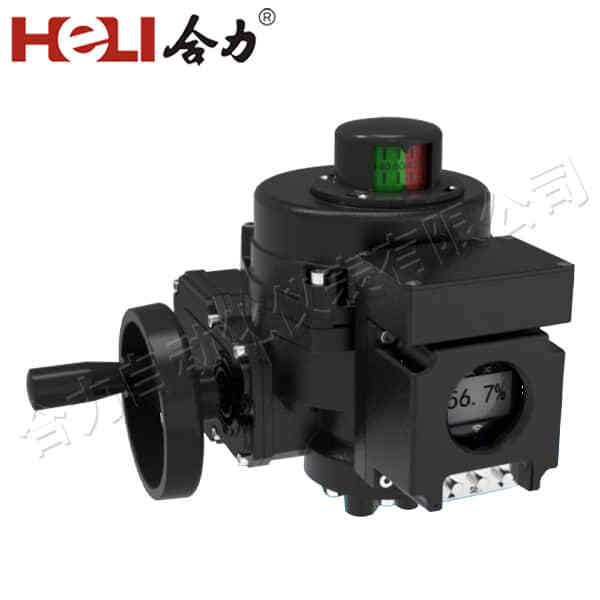
An electric actuator valve consists of two main components: the electric actuator and the valve body. The actuator is responsible for converting electrical energy into mechanical motion, which opens or closes the valve. The valve body is the part that regulates the flow of fluids or gases. These valves can be used in various types of valves, including ball valves, butterfly valves, and globe valves, offering flexibility for different industrial applications. Electric actuator valves are powered by electricity, and their main function is to adjust the valve position in response to signals from a control system. Typically, control signals are provided by systems like PLC (Programmable Logic Controllers) or DCS (Distributed Control Systems), which send electrical signals to the actuator. This system allows for both precise and automated control, enabling better management of process parameters such as flow rate, pressure, and temperature.