In today’s rapidly developing world, maintaining clean and safe water is of paramount importance. As water treatment systems evolve, one crucial component that has gained significant prominence is the solenoid valve. This device is instrumental in controlling the flow of water and other fluids within these systems. Understanding the role and functionality of water treatment system solenoid valves can provide insights into their importance in ensuring efficient water management.
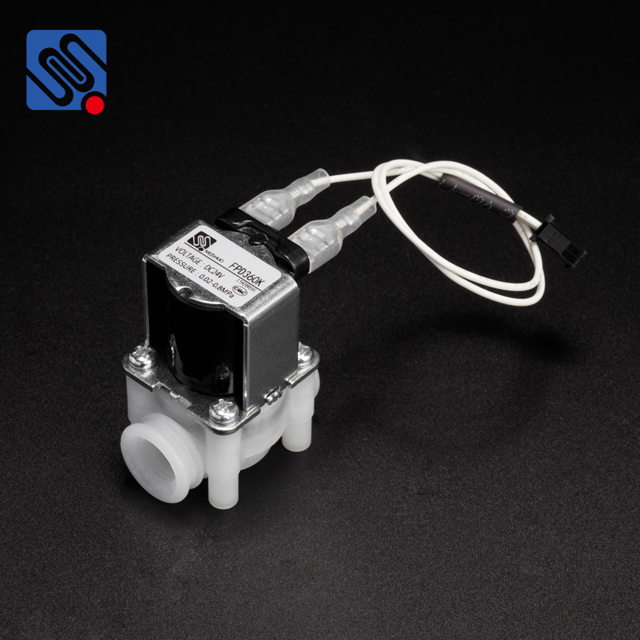
What is a Solenoid Valve? A solenoid valve is an electromechanical device that controls the flow of liquids and gases. Composed of a solenoid coil and a valve body, this device operates based on the principle of electromagnetism. When an electric current passes through the coil, it generates a magnetic field that pushes or pulls a movable plunger or armature, thereby opening or closing the valve. Solenoid valves can either be normally closed (NC) or normally open (NO), depending on their desired function in a specific application. The Role of Solenoid Valves in Water Treatment Systems