Understanding 220V AC Relay: Applications, Working Principles, and Selection Guide
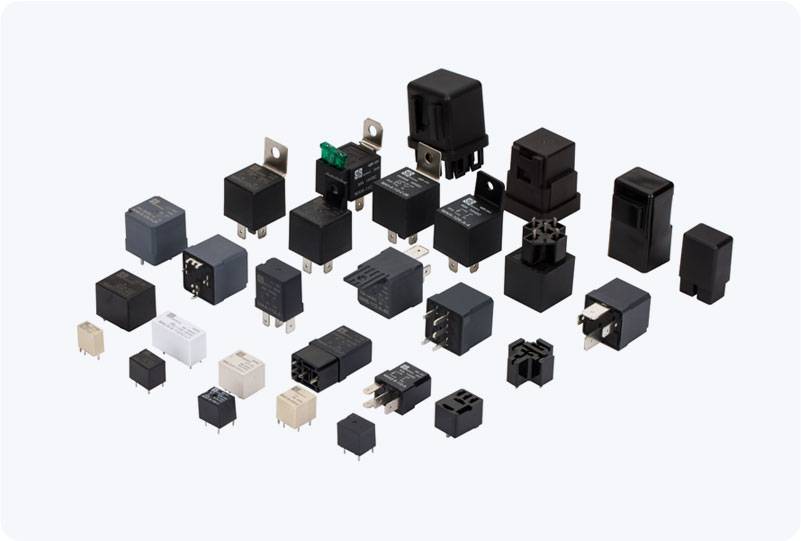
In the world of electrical engineering and automation, relays play an indispensable role. Among the various types of relays available, the 220V AC relay stands out as one of the most commonly used components for controlling high voltage AC circuits. This article aims to provide a comprehensive understanding of 220V AC relays, covering their working principles, applications, advantages, and important considerations for selection and installation. What is a 220V AC Relay? A 220V AC relay is an electromechanical switch that operates in response to an electrical signal. Its primary function is to control a high-voltage AC circuit using a low-voltage input signal. When energized, the relay’s coil generates a magnetic field, causing a movable armature to either make or break connections between its output contacts. The relay typically features normally open (NO) and normally closed (NC) contacts, allowing for versatile control of electrical devices.