In the realm of electrical protection, ensuring the safety and longevity of high-voltage systems is paramount. Among the various protective devices used in such systems, the Vacuum Arc Extinguishing Relay (VAE Relay) stands out as an essential component. Known for its efficient arc extinguishing capabilities, the VAE Relay plays a crucial role in safeguarding electrical equipment by rapidly interrupting circuits during fault conditions. This article explores the working principle, advantages, and applications of the Vacuum Arc Extinguishing Relay, highlighting its importance in modern electrical protection systems.
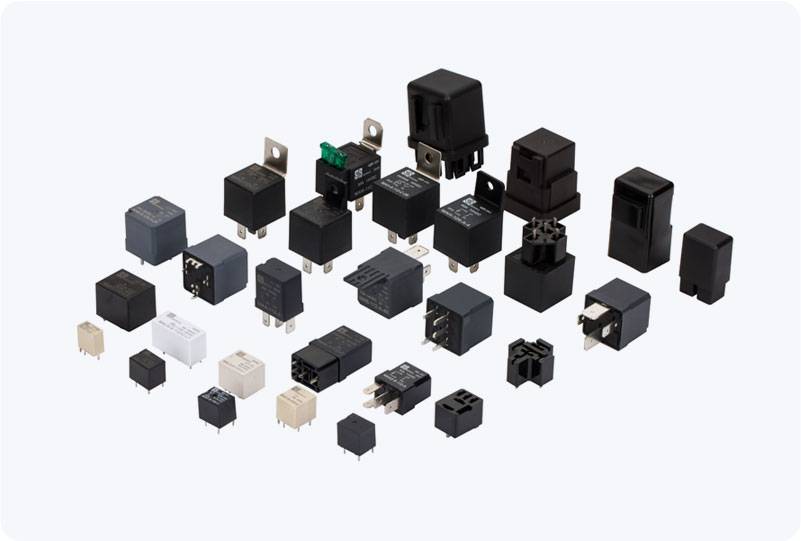
Working Principle of the Vacuum Arc Extinguishing Relay The core feature that distinguishes the Vacuum Arc Extinguishing Relay from conventional relays is its use of vacuum as the arc-extinguishing medium. In high-voltage circuits, when the relay contacts open due to a fault condition—such as a short circuit or overload—a dangerous electric arc can form between the contacts. The persistence of this arc can cause significant damage to the electrical components and pose a fire hazard. However, in a vacuum environment, the absence of gas molecules makes it impossible for the arc to maintain itself. As a result, the VAE Relay effectively extinguishes the arc almost immediately after contact separation.