The 24VDC Power Relay is an essential component in many electrical and electronic systems. It serves as a control device, enabling the switching of larger electrical currents by using a smaller control signal. Often used in industrial automation, household appliances, and vehicle systems, the 24VDC power relay is a critical part of efficient and reliable circuit design. This article will explore the features, applications, and significance of the 24VDC power relay.
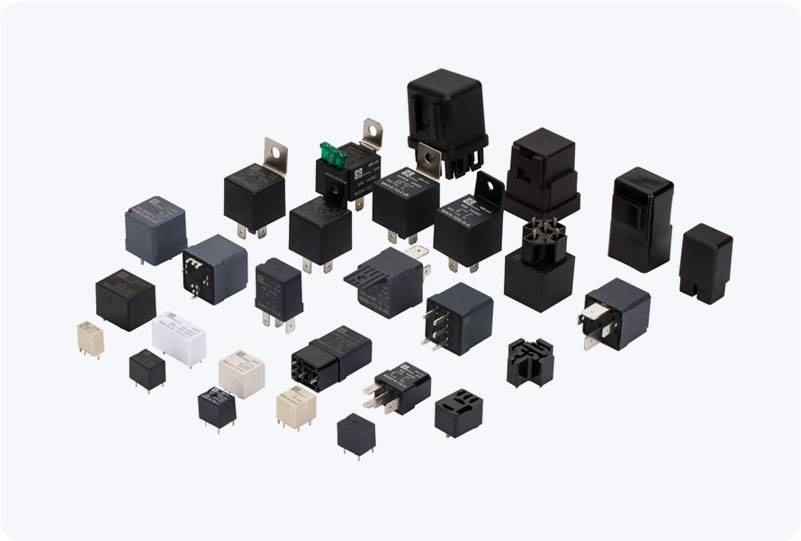
What is a 24VDC Power Relay? A power relay is an electrical switch that allows a low-power control signal to switch a high-power circuit on or off. The “24VDC” in the name refers to the voltage applied to the relay’s coil—specifically, 24 volts of direct current. When this voltage is applied to the coil, it generates a magnetic field that either opens or closes the relay’s contacts, thus controlling the flow of current to a connected load. Relays, including the 24VDC version, are used to isolate different parts of a system, protect sensitive electronics, and prevent overloading of control circuits. Their ability to switch high currents or voltages while being controlled by low-power signals makes them indispensable in modern electrical systems.