The rise of electric vehicles (EVs) has revolutionized the automotive industry, bringing about significant advancements in both technology and standards. One such critical standard that plays a pivotal role in the safe and efficient operation of EVs is IEC 61811, particularly in its application to EV relays. This international standard outlines the requirements for the design, performance, and testing of electromechanical relays used in various applications, including electric vehicles. With the increasing demand for safe, reliable, and high-performance components in EVs, IEC 61811 provides essential guidelines for manufacturers to ensure that relays function optimally in these advanced systems.
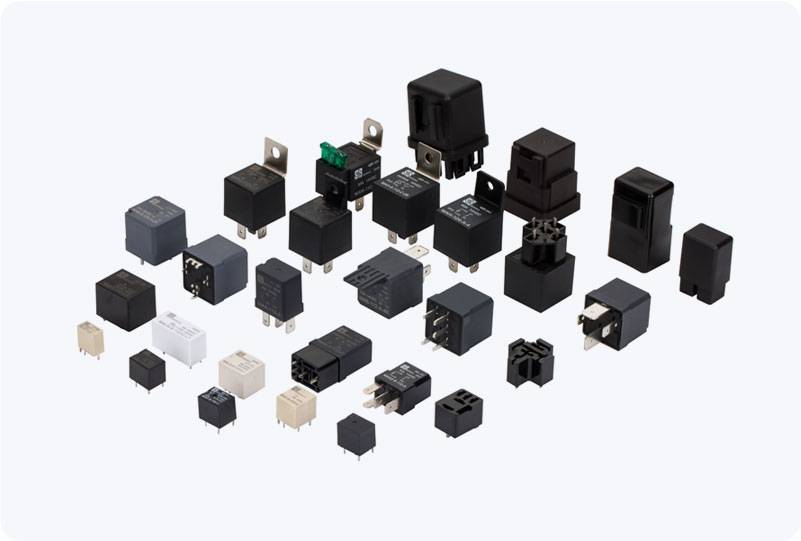
What is IEC 61811? IEC 61811, developed by the International Electrotechnical Commission (IEC), defines the general specifications for electromechanical relays, focusing on their electrical and mechanical properties. While this standard was originally conceived for general industrial use, it has been extended to cover a wide array of applications, including the burgeoning field of electric vehicles. In particular, IEC 61811 helps ensure that the relays used in EVs are capable of handling the complex demands of modern electric drivetrains and battery management systems (BMS), which require high power, reliability, and safety.