The Relay Control System is a fundamental part of electrical engineering and automation, serving as a bridge between control signals and the operation of various electrical devices. These systems utilize electromagnetic relays to control high-power circuits through low-power input signals, allowing for efficient and safe management of electrical loads in various applications. In this article, we will explore the principles behind relay control systems, their significant applications across industries, and the emerging trends in technology that may shape their future.
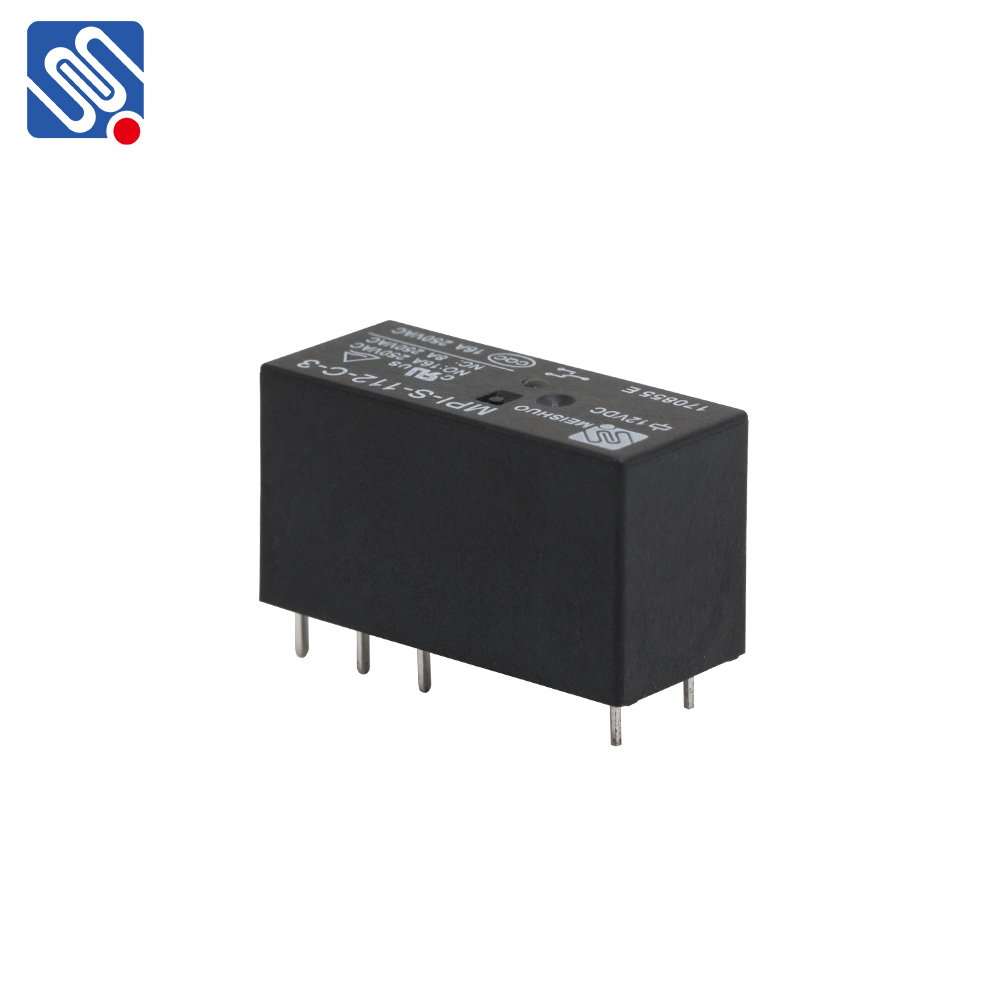
Principles of Relay Control Systems At its core, a relay is an electromechanical switch that operates on the principle of electromagnetic induction. When an electrical current flows through a wire coil, it generates a magnetic field that attracts a movable armature. This action causes the armature to close or open the contacts, thereby completing or interrupting the circuit connected to the relay. Relays can be classified into several types, including single-pole single-throw (SPST), single-pole double-throw (SPDT), double-pole double-throw (DPDT), and more, each serving specific functions depending on the configuration of the contacts.