A High Current Power Relay is an essential electrical component that plays a critical role in switching large currents in a variety of industrial, automotive, and electrical systems. These relays are designed to control high-power loads, such as motors, heating elements, and industrial machinery, which cannot be handled directly by low-power control circuits. By providing a reliable switching mechanism, they protect sensitive devices and ensure the smooth operation of high-power systems. This article delves into the working principle, applications, and key considerations for using High Current Power Relays in various contexts.
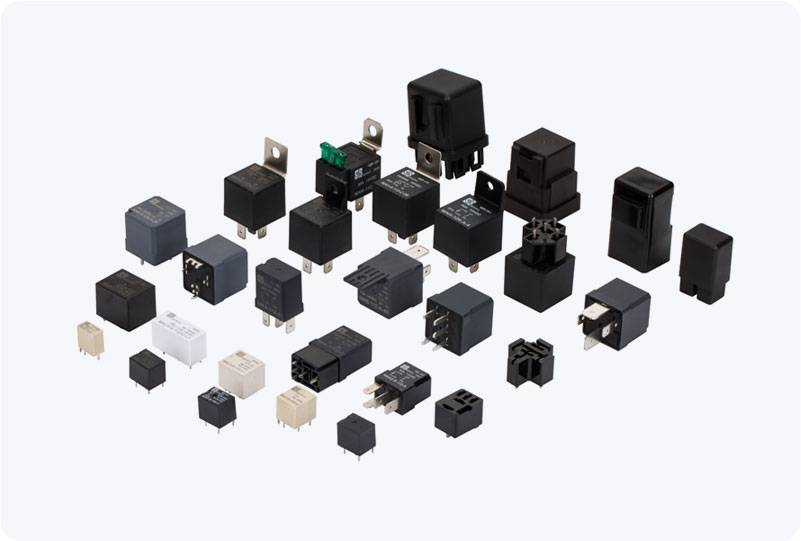
What is a High Current Power Relay? A High Current Power Relay is a type of electromechanical switch used to control high current in electrical circuits. It functions by using an electromagnet to operate a set of contacts, which either open or close to control the flow of electrical power to a connected load. Unlike standard relays, which are designed for lower current applications, high current relays are built with robust materials and specialized components that allow them to handle larger currents and higher voltages. These relays are typically used in situations where the load current exceeds the safe limits for conventional relays. They are commonly employed in high-power systems, where controlling heavy electrical loads with minimal control signals is necessary. For example, an automotive High Current Power Relay could be used to switch the high current required for starting an engine, while an industrial version might control the power supply to heavy machinery.