Normall Closed solenoid valves are vital components in various fluid control systems, utilized across diverse industries for their efficiency and reliability in managing fluid flow. These electromechanical devices are designed to remain closed when not energized, providing a fail-safe mechanism that prevents unwanted leakage or fluid passage. This article explores the functionality, design, applications, advantages, and disadvantages of normally closed solenoid valves, shedding light on their critical role in modern engineering and automation.
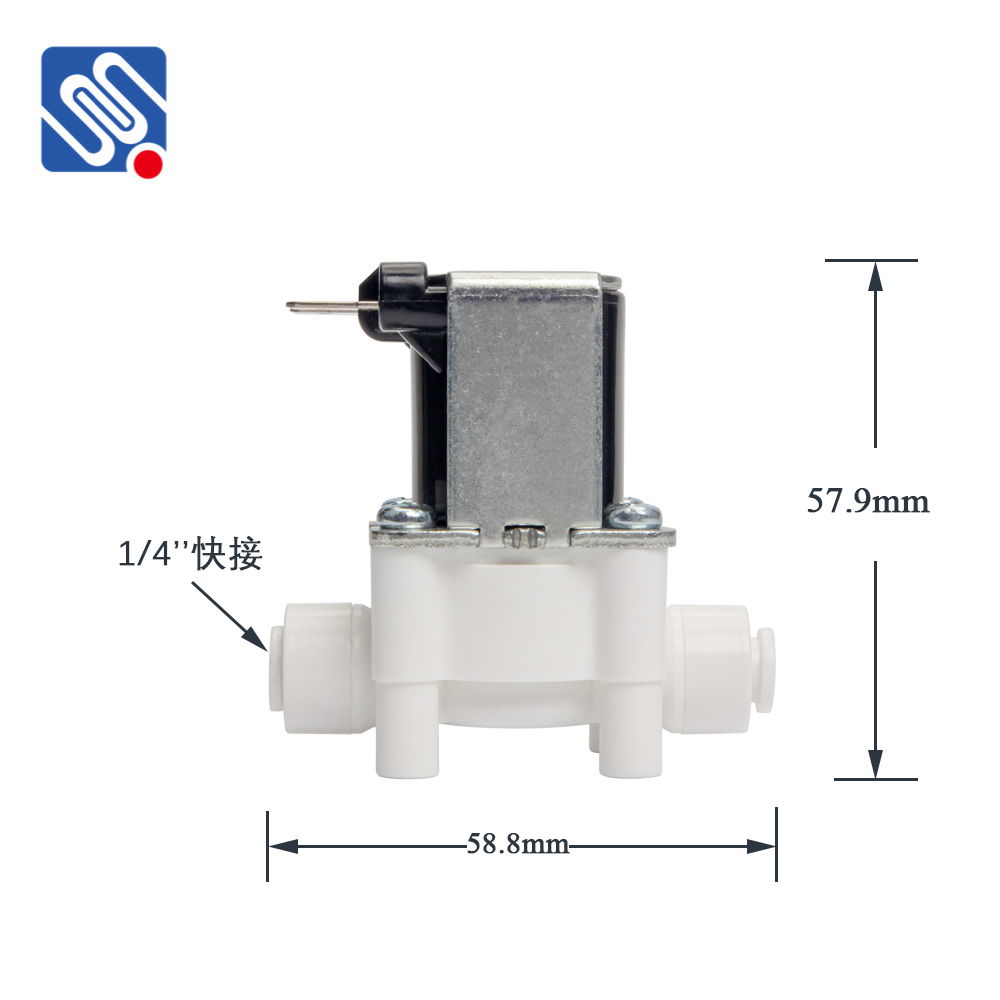
What is a Normally Closed Solenoid Valve? A normally closed solenoid valve is a type of valve that defaults to the closed position when no electrical power is supplied. It typically consists of a solenoid coil, a valve body, a diaphragm or piston, and various seals. The operation of a solenoid valve is straightforward: when the solenoid coil receives electric power, it generates a magnetic field that attracts a movable armature or plunger, thus opening the valve and allowing fluid to flow through. Once the power is cut off, a spring mechanism returns the valve to its closed state. This characteristic makes them essential in applications where safety and leak prevention are priorities.