In modern electrical engineering, the demand for efficient, reliable, and durable components is ever-increasing, particularly in high-voltage applications. One such component that has gained significant traction is the solid-state high-voltage relay (SSHVR). Unlike traditional electromechanical relays, SSHVRs utilize semiconductor technology to perform switching functions, offering a host of advantages that align with the needs of contemporary electronic systems. This article will delve into the workings, benefits, applications, and considerations surrounding solid-state high-voltage relays.
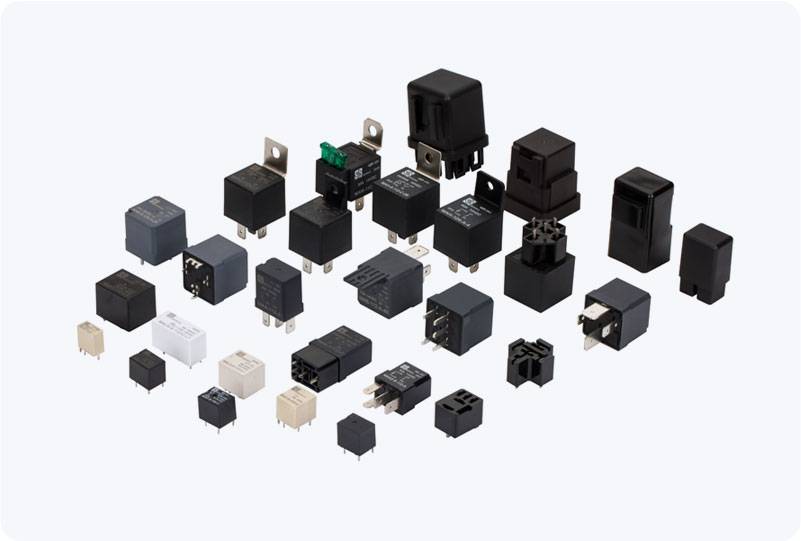
What is a Solid-State HV Relay? A solid-state high-voltage relay is an electronic switching device that employs semiconductor devices like thyristors, MOSFETs, or IGBTs in its construction. These devices allow the relay to switch electrical circuits on and off without the mechanical movement characteristic of traditional electromagnetic relays. SSHVRs are designed to handle high voltages, often exceeding several kilovolts, making them suitable for demanding applications where reliability and efficiency are paramount. Advantages of Solid-State HV Relays Durability and Longevity: One of the most significant benefits of SSHVRs is their lack of mechanical components, which eliminates the wear and tear associated with moving parts. This leads to a much longer operational life, often exceeding millions of cycles, compared to their electromechanical counterparts, which may only last a few hundred thousand cycles.