In the ever-evolving landscape of technology, the need for efficient, reliable, and precise control systems has become paramount. Among the various techniques employed to achieve these objectives, relay comparison stands out as a fundamental concept. This mechanism merges the operational capabilities of relays and comparators, facilitating decision-making processes in diverse applications such as industrial automation, HVAC systems, and safety monitoring. In this article, we will delve into the intricacies of relay comparison, exploring its components, functionality, and applications.
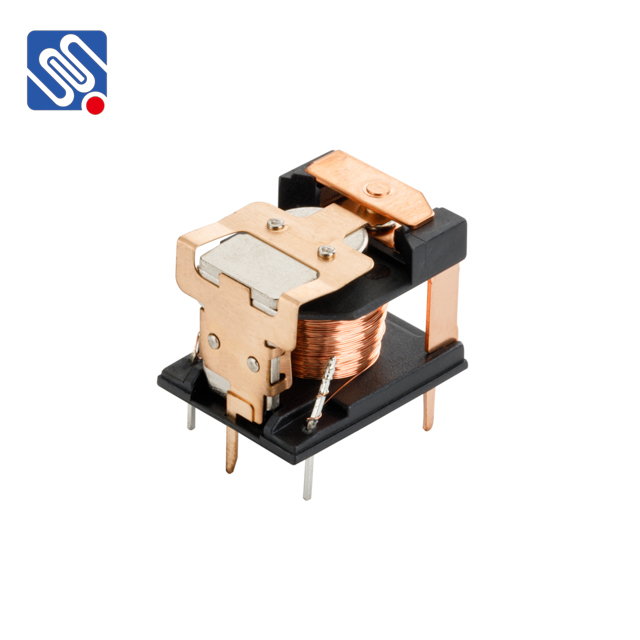
What is Relay Comparison? Relay comparison refers to the process of utilizing a relay—in essence, an electrically operated switch—to execute control operations based on the output of a comparator, a device that compares two input signals. When one signal surpasses a predefined threshold or reference level, the comparator generates an output that triggers the relay, leading to the activation or deactivation of another circuit or device. The combination of these elements is particularly beneficial in systems requiring high electrical isolation between control and output circuits, making relay comparison an invaluable tool in creating robust control systems.