Plastic water solenoid valves have become essential components in a wide range of applications, particularly where water flow control is crucial. These valves use electromagnetic force to control the opening and closing of a valve, offering a cost-effective, lightweight, and reliable solution to manage water systems. From domestic appliances to industrial setups, plastic water solenoid valves are widely used in various fields such as irrigation, water treatment, and home automation. This article delves into the characteristics, benefits, and applications of plastic water solenoid valves, highlighting why they are a popular choice in many industries.
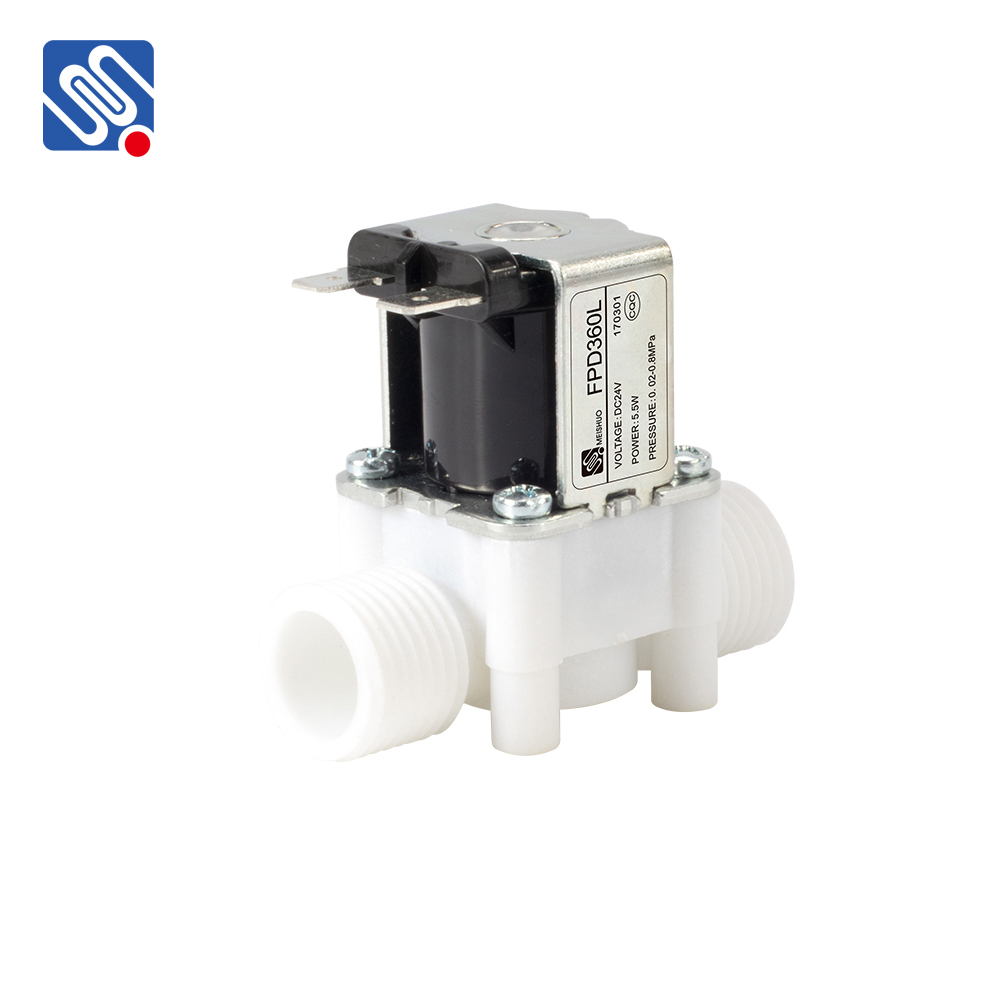
1. What is a Plastic Water Solenoid Valve? A plastic water solenoid valve is an electromechanical device designed to regulate the flow of water within a system. It operates using an electromagnetic solenoid coil that, when energized, opens or closes the valve to allow or block the passage of water. These valves are primarily made of durable plastics such as PVC (Polyvinyl Chloride), PP (Polypropylene), or PVDF (Polyvinylidene Fluoride), which offer excellent resistance to corrosion and harsh environmental conditions. The use of plastic material makes them lightweight and cost-effective while ensuring long-lasting performance.