In industrial automation and fluid control systems, solenoid valves play a pivotal role by enabling the automatic regulation of fluid flow in various applications. Among the different types of solenoid valves, those made from stainless steel and plastic stand out due to their distinct material properties and functionalities. This article will delve into the characteristics, applications, advantages, and disadvantages of stainless steel and plastic solenoid valves, providing valuable insights for professionals and enthusiasts in the field.
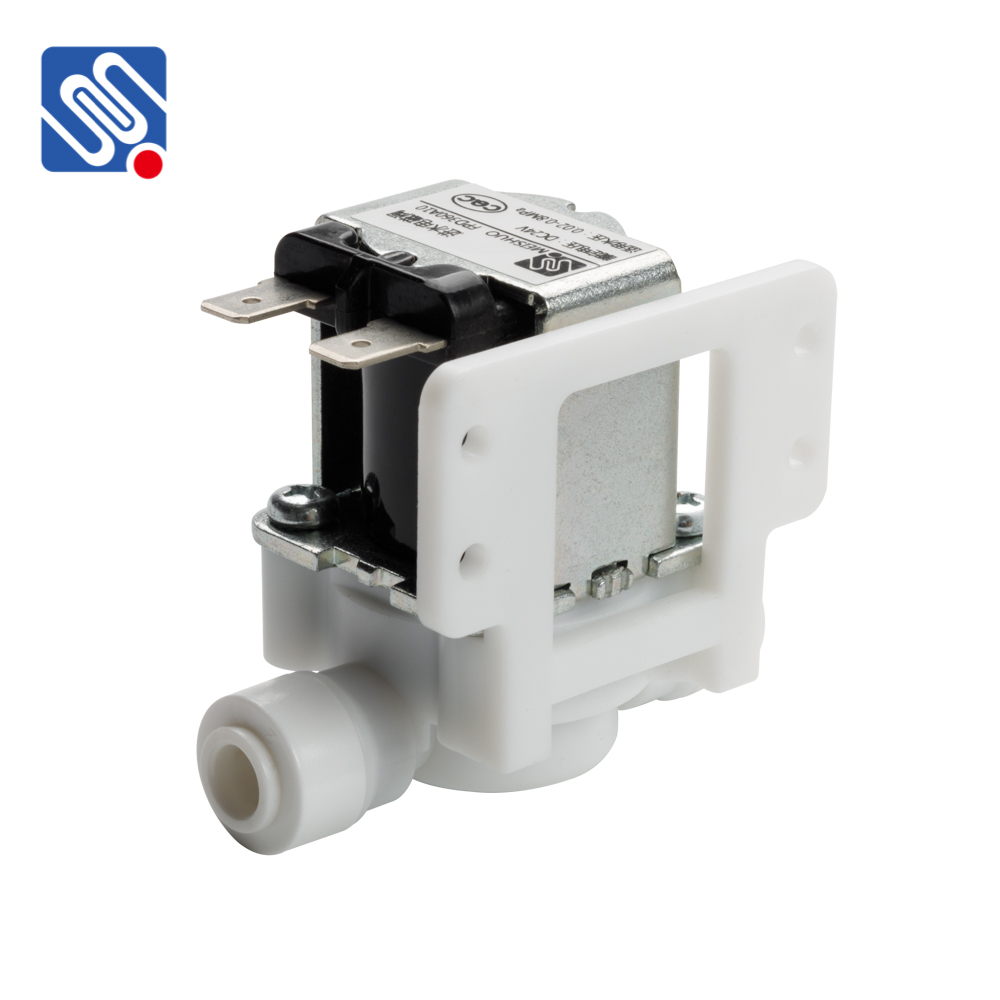
Overview of Solenoid Valves A solenoid valve is an electromechanical device that uses an electromagnetic coil to operate a valve. When electricity is applied to the coil, it creates a magnetic field that moves a plunger, opening or closing the valve to permit or restrict fluid flow. This simple yet effective mechanism is the foundation of solenoid valve operation, making them a fundamental component in various systems such as irrigation, HVAC, process automation, and more. Stainless Steel Solenoid Valves Material Properties Stainless steel solenoid valves are crafted from high-quality stainless steel, typically types 304 or 316. These materials offer exceptional corrosion resistance, durability, and strength, making them suitable for demanding applications. The 316 stainless steel variant, in particular, provides enhanced resistance to pitting and chloride ion corrosion, making it ideal for use in marine environments or chemical processing applications.